Logo
Get Estimate

Water Damage Restoration Boca Raton FL

Stop water damage before it spreads through your property


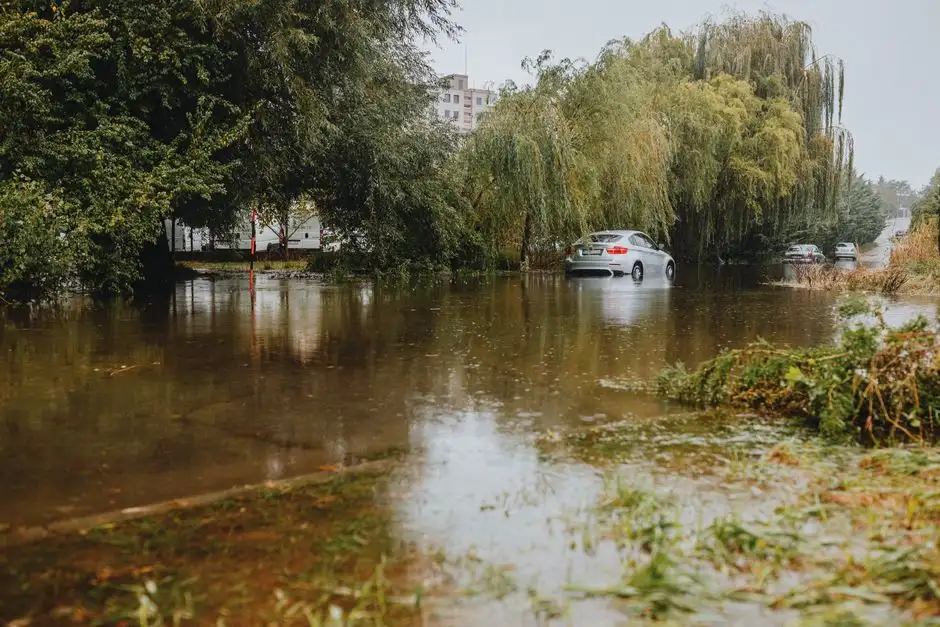
Water Damage Restoration Boca Raton FL helps homeowners and businesses recover after burst pipes, appliance leaks, sewage backups, or storm flooding. We remove standing water, identify moisture in floors and walls, and dry affected materials with professional equipment. Call our Boca Raton team when water is still spreading or a room smells damp; early extraction reduces the chance of swollen flooring, damaged drywall, and secondary mold growth.

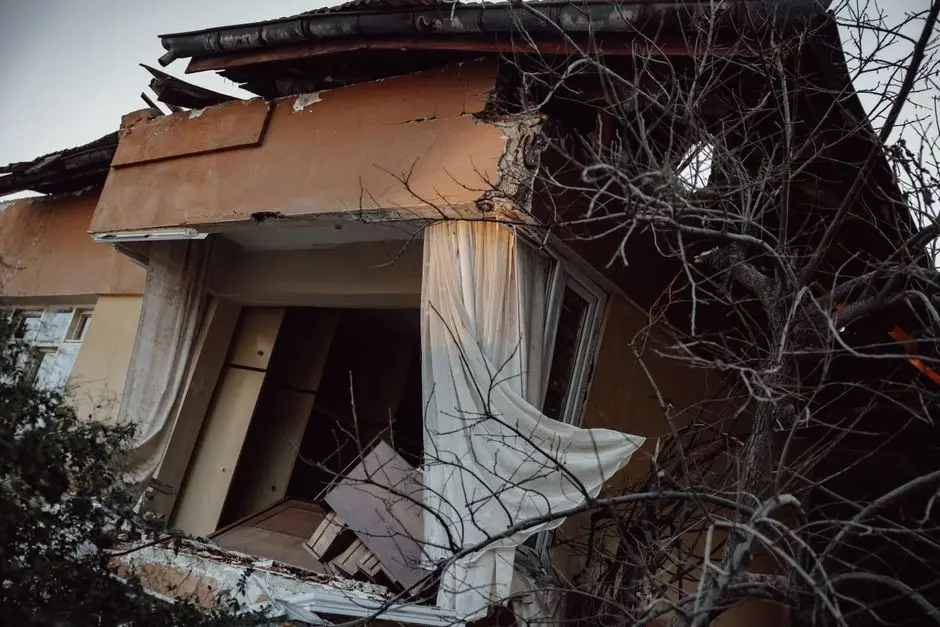
Exterior of a damaged house showing destruction from a natural disaster.
Licensed Licensed & Bonded
Fully Insured Insured & Bonded
24/7 Emergency Same-Day Response
Warranty Backed Workmanship Guaranteed in Boca Raton

What Water Damage Restoration Includes

Water damage restoration covers assessment, water removal, moisture mapping, structural drying, and documentation of the work. Repair of building materials follows once their condition is understood. The plan changes with the water source: clean supply water, appliance discharge, and sewage require different handling. We explain which steps address the current damage and coordinate appropriate repairs after drying is complete.

Initial Damage Inspection

We identify the water source, affected rooms, and visible material damage, then record baseline moisture readings. A moisture meter and thermal imaging camera help locate dampness beyond stains or puddles. You get a practical picture of what is wet before equipment is installed.

Water Extraction

We remove standing water from floors and accessible low areas using pumps, extractors, and wet/dry equipment suited to the site. Additional passes target carpet, edges, and water collected around furniture. Extraction reduces the moisture load before structural drying begins.

Drying and Monitoring

Air movers and dehumidifiers circulate air and remove moisture from affected materials. We check readings at least daily and reposition equipment as the drying pattern changes. Drying often takes three to five days, with longer timelines for concealed moisture or extensive damage.

Material and Contents Review

We assess carpet, pad, flooring, drywall, insulation, and personal contents for salvageability based on water category and condition. Materials that cannot be safely dried are identified for removal. This keeps the work focused on preserving sound materials without retaining damaged ones.

Job Documentation

Photos, moisture readings, and progress notes record the affected areas and drying work. We review the information with you and provide a useful record for property management or insurance communication. Repair work can then proceed with clearer knowledge of what was wet and dried.

Water Damage Restoration Boca Raton FL


Water Damage Restoration Boca Raton FL is a property recovery service that removes unwanted water, dries affected building materials, and repairs damage after leaks or flooding. We begin by identifying the water source and classifying the affected area, then extract standing water and measure moisture in carpet, drywall, wood framing, and subfloor sheathing. A moisture meter and thermal imaging camera help locate damp areas that are not visible at the surface. The work continues until readings show that materials have reached appropriate drying targets, not simply until the floor feels dry.

Boca Raton homes and commercial spaces face water intrusion from plumbing failures, appliance leaks, roof openings during storms, and drainage problems after heavy rain. Warm, humid air can slow evaporation, while water trapped beneath laminate flooring or behind baseboards can damage materials out of sight. Our water damage repair and recovery Boca Raton work addresses the source, extraction, drying, and repair sequence. If you are searching for water damage restoration near me Boca Raton FL, we can assess the affected rooms and explain the practical next steps.
What Happens During Restoration

Water Damage Restoration Boca Raton FL follows a measured sequence: control the source, remove water, dry the structure, and complete necessary repairs. We explain each stage before equipment is placed, keep walkways usable where possible, and update you as readings change.

01

Schedule

Call or book online — a real human picks up and confirms a 2-hour arrival window.

02

Diagnose

Licensed tech inspects on-site, then walks you through the cause and your options.

03

Fix

The job is completed to code and done right the first time — no shortcuts, no surprises.

04

Guarantee

Every job backed by a written workmanship warranty — and we stand behind it.

Equipment and Drying Methods

Tools & Equipment

Truck-Mounted Water Extraction Unit

High-capacity extraction removes bulk water from accessible floors and carpet. We use it where vehicle access and site layout allow, then make detailed passes along edges and low spots.

Portable Water Extractor

A portable unit reaches condominiums, upper floors, tight corridors, and locations where truck access is impractical. It helps remove water close to cabinets, furniture, and room transitions.

Moisture Meter

A moisture meter checks material conditions in affected and reference areas. We record readings to guide equipment placement and confirm whether drying is progressing rather than relying on surface feel.

Thermal Imaging Camera

Thermal imaging helps identify temperature patterns that can point to hidden moisture behind finishes. We use those findings with physical moisture readings, not as a substitute for confirming wet materials.

Air Mover and Dehumidifier

Air movers direct airflow across wet materials, while a refrigerant dehumidifier removes moisture from indoor air. For some larger or challenging drying conditions, a desiccant dehumidifier supports the drying plan.

Air Scrubber

An air scrubber with HEPA filter media helps manage airborne particles during appropriate cleanup and material removal tasks. Placement depends on the work area, contamination conditions, and containment needs.

Methods & Standards

IICRC-Informed Water Assessment

We assess the source and condition of water, the materials it contacted, and how long exposure continued. This determines extraction priorities, safety measures, and whether materials can be cleaned and dried. The assessment also helps distinguish a clean supply-line leak from gray water or contaminated flooding.

Moisture Mapping and Daily Checks

We establish baseline readings in affected materials and compare them with unaffected reference areas. Follow-up checks at least daily show whether the drying system is working and where adjustments are needed. Equipment stays in place until readings support a dry condition, not simply for a preset number of days.

Controlled Structural Drying

We balance airflow and dehumidification to dry materials without creating avoidable disruption. Air movers are directed at wet surfaces, while dehumidifiers manage moisture released into the room. If dampness is trapped inside a wall or floor assembly, access and material removal are considered to reach the affected area.

Containment and Safe Removal

When damaged or contaminated materials must be removed, we limit access and use polyethylene containment sheeting where appropriate. An air scrubber with HEPA filter media can support dust control during defined tasks. We follow applicable safety practices and remove materials according to their condition and water category.

When to Call for Restoration

01

A pipe breaks under a Boca Raton kitchen sink and water reaches the cabinet base and adjoining floor.

What we do: We extract water from the cabinet area and floor, check adjoining rooms, and measure moisture at the baseboards and flooring. If water has reached the wall cavity, we identify the access needed for drying. We also document visible damage and the water source so repairs can follow the drying plan.

→ You know which materials are wet, what needs drying, and whether flooring or cabinet repairs are needed before the kitchen returns to normal use.

02

Heavy rain pushes water through a door or roof opening during a Boca Raton storm.

What we do: After the property is safe to enter, we remove standing water, assess affected contents, and inspect nearby walls and flooring. Our crew uses moisture readings to map areas beyond the visible entry point. We set drying equipment based on room conditions and monitor progress as the structure dries.

→ The water is removed, hidden dampness is identified, and you have a documented drying plan for the affected rooms.

03

A washing machine hose fails in a condominium and water reaches the unit below.

What we do: We coordinate access to the affected spaces, extract water from both locations, and inspect ceilings, walls, and flooring for moisture migration. Equipment placement accounts for shared walls and occupied areas. We document readings in each affected unit so drying does not stop at the original leak location.

→ Both the source unit and impacted areas receive a coordinated assessment, reducing confusion about where moisture traveled and what needs repair.

04

A sewage backup leaves contaminated water on the floor of a Boca Raton home.

What we do: We restrict access to the affected area and assess the contamination before extraction. Our crew removes contaminated water and unsalvageable porous materials using appropriate protective procedures, then addresses cleaning and drying. We explain the affected materials and document the work as recovery proceeds.

→ Contaminated water and damaged materials are addressed in a controlled sequence, helping you move from an unsafe wet area toward repair.

How Restoration Works in Boca Raton

Water Damage Restoration Boca Raton FL has to account for humid air, intense rain, and varied building layouts, from older homes with hardwood flooring to condominiums with shared walls and commercial spaces with long operating hours. In October, storm-related water intrusion remains a practical concern; during the wetter months, heavy rain can expose roof, window, and drainage weaknesses. We check not only the room where water appeared but also adjacent spaces where it may have traveled. Our Boca Raton water damage restoration service uses moisture readings to guide equipment placement and drying time. For homes near Boca Falls or low-lying areas, a flood event may affect multiple rooms and stored contents. If you need water extraction and property restoration Boca Raton Florida, we assess access, water category, and affected materials before starting. Work involving regulated construction or repairs follows applicable Florida contractor licensing requirements; we do not treat drying equipment as a substitute for code-correct repair.

Neighborhoods We Serve

  • Boca Falls

    Stormwater intrusion can affect ground-floor rooms and stored belongings. We check beyond the visible wet edge and record moisture in flooring and lower wall sections.

  • Boca Square

    Homes with different flooring and room layouts need a material-specific drying plan. We check adjoining rooms and cabinet bases after plumbing or appliance leaks.

  • East Boca Raton

    Condominium access, shared walls, and occupied hallways can shape equipment placement. We plan extraction and drying around the affected unit and any neighboring spaces.

  • Boca Harbour

    Water intrusion after heavy rain calls for careful checks at doors, lower walls, and flooring transitions. We document where water entered and how far it traveled.

Local Conditions We Plan For

  • Warm, humid indoor air slows evaporation after water intrusion

    Air movement alone does not remove moisture from a room. We pair airflow with dehumidification and monitor readings, adjusting equipment as indoor conditions change. Damp wall cavities and flooring assemblies need particular attention because they can remain wet after visible surfaces dry.

  • Heavy rain and storm winds drive water through vulnerable openings

    Water may enter at more than one point and reach ceilings, walls, and flooring. We inspect the perimeter of visible damage, remove standing water, and document the affected materials. Drying begins once the area is safe and the active source is controlled.

  • Condominium layouts can spread water between units

    A leak above one room can affect the ceiling, wall cavity, or contents in another unit. We coordinate access where possible, record findings by location, and keep drying equipment focused on affected materials while maintaining usable paths through shared spaces.

Kitchen Pipe Leak Recovery

Before

A failed supply line left standing water across a kitchen floor and soaked the cabinet toe kick. The laminate looked dry near the doorway, but moisture readings showed water at the room edge and beneath part of the flooring. The homeowner had shut off the supply, but water remained in adjoining materials.

After

We extracted the surface water, checked the cabinet base and adjacent room, and monitored readings as drying equipment ran for four days. The affected area was documented, and the wet flooring section was identified for repair rather than covered over. The kitchen was ready for finish work after drying targets were met.

Maintenance: Check braided supply lines and shutoff valves during routine kitchen inspections. Replace a line that shows corrosion, kinks, or seepage, and close the shutoff valve if you leave the property for an extended period.

Before

Wind-driven rain entered near a rear door and spread across carpet, padding, and the bottom of a nearby wall. The wet area extended farther than the darkened carpet suggested. Furniture legs were damp, and the homeowner noticed a musty odor the next morning.

After

We removed the water, assessed the carpet and pad, and checked the wall base and adjoining room. Drying equipment ran for five days, with daily readings used to adjust airflow. The affected porous materials were handled according to their condition, and the remaining structure was documented for repair.

Maintenance: Inspect door seals and nearby flooring after heavy rain, especially if water has entered before. Move stored items away from exterior walls and report damp carpet promptly rather than waiting for an odor or visible stain.

Before

A leak from an upper-floor appliance left a brown ceiling stain and damp drywall in the unit below. The visible mark was about two feet wide, but moisture extended along the ceiling edge. Residents were concerned that the leak had stopped before all water was removed.

After

We checked the ceiling and surrounding wall, mapped the damp boundary, and coordinated extraction and drying access with the affected units. Readings were monitored over three days before the area was cleared for repair. The record showed where moisture had traveled and which sections required finish work.

Maintenance: Inspect ceiling stains as soon as they appear and notify the property manager about the source unit. Keep a record of when the stain grew and whether it changed after appliance use or rainfall; that information helps narrow the leak path.

Problems Solved by Local Water Recovery

A leak rarely stops at the visible puddle. Water can travel beneath flooring, wick into drywall, and collect in wall cavities before a stain appears. Our water damage repair and recovery Boca Raton work targets the source, removes water, and checks surrounding materials so you can address the full affected area.

Problem

Water trapped beneath laminate flooring after an appliance leak

Moisture under the surface can swell boards and soften the subfloor. The floor may look dry while dampness remains trapped at seams and edges.

Our Fix

We extract accessible water, inspect the floor perimeter, and take moisture readings in the laminate and subfloor where possible. If the assembly cannot dry in place, we explain which areas require removal to reach trapped moisture. Drying equipment is placed to address the exposed structure, then readings guide the repair decision.

Problem

A burst pipe wetting drywall and insulation overnight

Water can move through wall cavities and reach adjoining rooms, electrical areas, and baseboards. Delayed drying raises the risk of damaged finishes and secondary mold growth.

Our Fix

We stop the spread by extracting floor water and mapping the wet boundary with moisture readings. Where the wall cavity remains wet, we determine the access needed to dry it safely and identify affected insulation or drywall. Our team records the readings and monitors drying before the wall is closed.

Problem

Storm flooding leaving standing water in a Boca Raton home

Floodwater can carry debris and contaminants while saturating carpet, furniture, and lower wall sections. Warm, humid conditions add drying pressure.

Our Fix

We assess the water source and contamination level before handling affected materials. Pumps and extraction equipment remove standing water, then we separate salvageable contents from damaged porous items. Drying and cleaning procedures follow the conditions found, with moisture checks across adjoining rooms.

Problem

A ceiling stain that keeps growing after a concealed leak

The stain may mark only one part of a larger wet ceiling or roof cavity. Continued moisture can weaken drywall and damage insulation above it.

Our Fix

We inspect the ceiling and surrounding materials, trace moisture beyond the visible stain, and document the affected area. Once the leak source is controlled, we remove water where accessible and establish drying access. Readings help determine when the area is ready for finish repairs.

A Drier, Safer Property

A Drier, Safer Property

Water damage gets worse when moisture stays hidden. We focus on removing water, documenting what is wet, and drying the structure in a controlled sequence. You see what we are doing and why, from the first extraction pass through the final moisture check.

  • Water Removed Quickly

    We use a truck-mounted water extraction unit or portable water extractor according to access and water volume. A submersible pump handles deeper standing water, while a wet/dry vacuum clears smaller pockets and edges. Removing bulk water early shortens the drying workload and helps protect your furniture, flooring, and stored belongings.

  • Hidden Moisture Located

    A dry-looking surface can conceal wet padding, wall cavities, or subfloor sheathing. Our technicians take moisture readings at multiple points and compare affected areas with dry reference materials. That record guides equipment placement and helps prevent premature removal of air movers before the structure has dried.

  • Materials Protected

    We separate salvageable contents from damaged materials and use controlled drying to limit unnecessary demolition. Water-damaged carpet and pad receive a direct assessment, while hardwood flooring is checked for cupping and moisture beneath the boards. The right decision depends on the water category, exposure time, and measured condition.

  • Clear Recovery Records

    Photos, moisture readings, equipment notes, and affected-room details give you a usable record of the work. Our team documents conditions as drying progresses, which helps you follow the restoration plan and share consistent information with your insurer or property manager.

Training and Service Standards

Licensed & Certified

  • Water Damage Restoration Technician — issued by IICRC
  • Applied Structural Drying — issued by IICRC
  • Applied Microbial Remediation Technician — issued by IICRC
  • OSHA Workplace Safety Training — issued by Occupational Safety and Health Administration

Verified Reviews

Customer Feedback Not published

A Boca Raton homeowner described a kitchen leak that spread beneath the cabinet base. The crew extracted water, checked adjoining flooring, and returned to record drying readings. The homeowner said the daily explanation made it clear why equipment stayed in place after the visible floor had dried.

Customer Feedback Not published

A local property manager reported water affecting two condominium units after an appliance leak. The team documented ceilings, walls, and flooring separately, then coordinated equipment access. The notes helped the manager understand which areas needed drying before finish repairs could begin.

Customer Feedback Not published

A Boca Harbour resident called after storm water reached the living room carpet. The crew removed water, checked the wall base, and identified moisture beyond the visible entry point. The homeowner valued having a clear record of readings and drying progress.

Training and Field Judgment

Water damage work depends on correct extraction, material knowledge, and documented drying-not simply setting fans in a room. Our technicians apply IICRC Water Damage Restoration Technician (WRT) principles to assess water categories, limit cross-contamination, and monitor moisture change. For complex structural drying, IICRC Applied Structural Drying (ASD) training informs equipment placement and drying decisions. We also follow OSHA workplace safety training practices and applicable Florida contractor licensing requirements for work that falls under regulated trades. We do not guess at hidden moisture; readings guide the plan.

  • IICRC Water Damage Restoration Technician principles inform water assessment, extraction decisions, and drying documentation.
  • IICRC Applied Structural Drying methods guide airflow, dehumidification, and moisture monitoring in complex spaces.
  • IICRC Applied Microbial Remediation Technician training supports safe decisions when microbial contamination is present.
  • OSHA workplace safety training informs safe handling, access control, and equipment use on active jobs.
  • We document room conditions, moisture readings, and drying progress so you can follow each stage of recovery.
Get Started Today
Training and Field Judgment

Water Damage Restoration Questions

Real answers to the questions we hear most often from local homeowners and property managers.

What is included in water damage restoration?
Water damage restoration includes inspection, water extraction, moisture mapping, structural drying, monitoring, and coordination of needed repairs. We document affected rooms, protect or move contents where practical, and use air movers and dehumidifiers until readings show the materials have dried. The exact work depends on the water source and affected materials. Sewage contamination, damaged insulation, or extensive demolition requires additional safety and repair steps.
What is the difference between water extraction and restoration?
Water extraction removes standing water, while restoration also dries the structure, evaluates damaged materials, and completes needed repairs. Extraction is the urgent first step after a leak or flood, but moisture can remain under flooring and inside walls. Our water extraction and property restoration Boca Raton Florida service follows removal with moisture checks and controlled drying, so the work addresses both visible water and moisture left behind.
How long does water damage restoration take in Boca Raton?
Most structural drying takes three to five days, while repairs can extend the full job to one or more weeks. The timeline depends on water volume, material type, room temperature, humidity, and whether wet drywall or flooring must be removed. We check moisture at least daily and adjust equipment as readings change. A small clean-water leak may finish sooner than storm flooding or a concealed wall-cavity leak.
Does water damage restoration include structural drying?
Yes, structural drying is a core part of water damage restoration, and it commonly takes three to five days. We use air movers to circulate air and dehumidifiers to remove moisture, then record readings in affected materials. Drying may include wall cavities, flooring, and subfloor areas when accessible. If water has contaminated a material or caused physical damage, removal and replacement may be safer than drying it in place.

Related Water Recovery Services

24/7 Emergency Water Extraction

Active leaks and sudden flooding need immediate water removal before moisture spreads into adjoining rooms. Our 24/7 Emergency Water Extraction service handles urgent extraction and transitions into a drying plan for Boca Raton properties. We assess water depth, access, and affected materials before choosing equipment.

View 24/7 Emergency Water Extraction

Residential Water Extraction

A home leak can soak carpet, cabinets, and flooring before it becomes visible in the next room. Residential Water Extraction removes standing water and supports later structural drying. We protect household contents where practical and record conditions for each affected room.

View Residential Water Extraction

Commercial Water Extraction

Commercial Water Extraction helps offices, shops, and other buildings clear water while limiting disruption to staff and customers. We plan work zones, remove water from affected spaces, and monitor building materials. For larger sites, our commercial water damage repair company Boca Raton FL approach coordinates extraction with drying and repair needs.

View Commercial Water Extraction

Standing Water Removal

Standing water can spread beneath furniture, into closets, and across adjoining flooring. We use pumps or extraction equipment appropriate to the volume and access, then check low points where water collects. Removing bulk water quickly prepares the area for moisture mapping and drying.

View Standing Water Removal

Basement and Crawl Space Water Removal

Water in a crawl space or below-grade area can remain unnoticed and affect framing, insulation, and indoor air conditions. We extract accessible water, inspect reachable materials, and set drying equipment suited to the enclosure. Safe access and the water source guide the work.

View Basement and Crawl Space Water Removal

Flood Water Extraction

Flood Water Extraction removes water following heavy rain, drainage overflow, or indoor flooding. We assess whether the water is clean, gray, or black before selecting handling procedures. Extraction is followed by checks for wet wall cavities, flooring, and insulation that may need additional attention.

View Flood Water Extraction

Call for Water Damage Restoration Boca Raton FL

Standing water, a wet ceiling, or a leaking pipe needs prompt attention. Our team is available 24/7 for water extraction and drying in Boca Raton. Call +15618540267 and tell us where the water is and whether the source is still active.

Call Now Get Help Now

Contact Our Team

Call +1 561-854-0267 for emergency water extraction in Boca Raton, Florida. Our phone line is open 24/7 for urgent leaks, backups, and storm water, and we will ask what happened, where the water is, and whether it is still flowing. Share your neighborhood and any safety concerns so we can guide the next step.

Or call us right now at +15618540267 — we answer.

Boca Raton Emergency Water Extraction


  • Phone

    +15618540267
  • Address

    Boca Raton, Florida

  • Hours

    Mon–Fri: 7AM – 7PM
    Sat: 8AM – 4PM
    Sun: Emergency Only
    24/7 Emergency Available

Call +15618540267 Get Quote
Call Quote