Logo
Get Estimate

Flood Water Extraction Boca Raton FL

We remove floodwater and protect the parts of your home that matter.


Flood Water Extraction Boca Raton FL helps homeowners and businesses move from standing water to a controlled drying plan. Our Boca Raton team extracts floodwater from floors, checks affected building materials, and sets drying equipment where moisture remains. If a storm, pipe break, or appliance leak has soaked your property, prompt floodwater removal Boca Raton service helps reduce damage to flooring, drywall, and belongings.

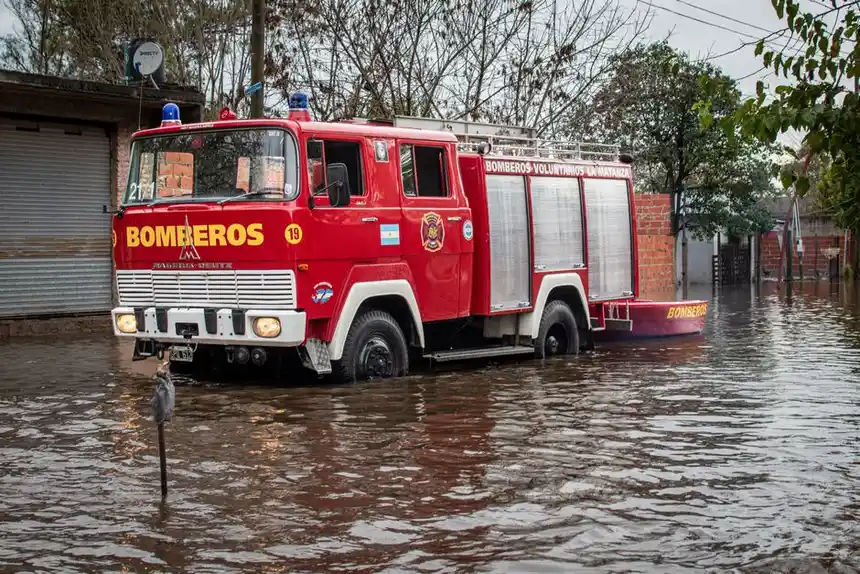
A fire truck drives through a flooded street in Buenos Aires, Argentina, during a storm.
Licensed Licensed & Bonded
Fully Insured Insured & Bonded
24/7 Emergency Same-Day Response
Warranty Backed Workmanship Guaranteed in Boca Raton

What Flood Water Extraction Includes

Flood water extraction covers the immediate removal of standing water, an assessment of affected materials, and drying support when moisture remains in the structure. We also record conditions and explain what we find as the work progresses. Reconstruction, plumbing repairs, and replacement of permanently damaged materials are separate tasks, but our findings help you understand what needs to happen next.

Initial Water Assessment

We identify the likely source, water depth, affected rooms, and immediate safety concerns. Moisture readings help establish a baseline for the job, while a visual inspection shows which materials are visibly affected. This first check shapes the extraction and drying plan for your property.

Standing Water Extraction

We remove pooled water using a pump or water extraction equipment selected for the depth and surface. Carpet, hard flooring, and accessible lower areas receive focused extraction. Our aim is to recover water efficiently without spreading it into unaffected rooms.

Material and Moisture Checks

We check flooring, baseboards, and accessible wall areas for moisture beyond the visible wet line. A moisture meter helps us compare readings with unaffected sections. Those measurements help identify where drying needs to continue and where materials need further evaluation.

Drying Equipment Setup

When water remains in building materials, we place air movers and dehumidification equipment to support controlled drying. Equipment location reflects room size, materials, and measured conditions. We recheck readings during the drying period and adjust the setup if moisture does not fall as expected.

Job Documentation

We record affected areas, relevant moisture readings, and the work completed during extraction and drying. You can use this information to keep your own property file organized and discuss the loss with your insurer. Documentation reflects observed conditions rather than promising a coverage decision.

Flood Water Extraction Boca Raton FL Explained


Flood Water Extraction Boca Raton FL is a water damage response service that removes standing floodwater and wet material from a property after flooding or a major leak. We assess the water source, identify affected rooms, and use pumps or extraction equipment to recover water from accessible surfaces. Then we measure moisture in flooring, walls, and other materials to plan structural drying. Removing visible water is only the first part; concealed moisture needs attention too, or damage can continue after the floor looks dry.

Boca Raton properties face storm and hurricane flooding, burst or leaking pipes, appliance leaks, and sewage backups, each requiring a different handling plan. Warm, humid conditions can slow natural drying, while water trapped beneath flooring can damage the subfloor. Our Boca Raton flood water extraction service is designed around the source and materials involved. For a soaked residence, a 24/7 floodwater removal for a Boca Raton home response starts with safe access, source control, and prompt water recovery.

What Happens During Extraction

Flood Water Extraction Boca Raton FL follows a practical sequence: stop additional water entry, assess hazards, extract pooled water, and begin controlled drying. We explain what we find as we work, so you know which rooms are affected and what equipment will run in your property.

01

Schedule

Call or book online — a real human picks up and confirms a 2-hour arrival window.

02

Diagnose

Licensed tech inspects on-site, then walks you through the cause and your options.

03

Fix

The job is completed to code and done right the first time — no shortcuts, no surprises.

04

Guarantee

Every job backed by a written workmanship warranty — and we stand behind it.

Equipment and Drying Methods

Tools & Equipment

Truck-Mounted Water Extraction Unit

This high-capacity system recovers water from accessible flooring and carpet during larger residential or commercial losses. We use it when site access and the water volume make truck-mounted extraction practical.

Submersible Pump

A submersible pump removes deeper standing water from low areas before detail extraction begins. Pump selection depends on water depth, safe access, and whether the water source requires protective handling.

Moisture Meter

We use a moisture meter to compare readings in affected drywall, flooring, and other materials with dry reference locations. Repeated measurements show whether the drying plan is working.

Air Mover and Dehumidifier

Air movers circulate air across wet surfaces, while a refrigerant dehumidifier removes moisture from indoor air. The combination supports controlled drying after standing water has been extracted.

Dri-Eaz Equipment

Dri-Eaz equipment supports water recovery and drying work on applicable jobs. We select equipment according to the affected rooms, material type, and moisture readings rather than relying on one setup for every property.

Methods & Standards

IICRC Water Damage Restoration Technician Practices

We use recognized WRT principles to assess the source and category of water, identify affected materials, and organize the sequence of extraction and drying. Measurements and job conditions guide decisions. This method helps distinguish a clean supply leak from stormwater or a sewage-related loss.

Moisture Mapping

We record moisture conditions across affected areas and compare them with unaffected reference points. That map helps us target equipment, identify possible migration into adjacent rooms, and track progress over subsequent checks. If readings remain elevated, we investigate the material or area rather than assuming the surface is dry.

Controlled Structural Drying

After extraction, we combine air movement and dehumidification to remove moisture from materials and indoor air. Equipment placement reflects the room layout and the materials involved. We monitor readings during the process and adjust the setup as conditions change, removing equipment when documented drying goals are met.

Water Source Classification

We establish whether the loss involves clean, gray, or contaminated water before choosing handling and material steps. Source classification affects access, protective measures, cleaning, and whether porous items can remain. This prevents a sewage backup from being treated like a minor clean-water spill.

When to Call for Extraction

01

A summer storm drives rain beneath a Boca Raton patio door and across the living room floor.

What we do: We check whether rain is still entering, remove the pooled water, and inspect the floor perimeter and nearby walls. If moisture has reached carpet or baseboards, we measure those materials and set equipment to dry the affected sections. You receive a clear account of what was wet and what remains under observation.

→ Water is removed from the occupied area, drying begins promptly, and you know whether moisture has moved beyond the visible floor.

02

A burst supply line floods a kitchen overnight before anyone notices the wet cabinets and flooring.

What we do: Once the water supply is stopped, we extract water from the kitchen and adjoining rooms. We inspect cabinet toe-kicks, flooring transitions, and lower walls for hidden moisture, then place drying equipment based on readings. We document the affected area so the plumber and restoration work can proceed with useful information.

→ The water source is addressed separately, while our extraction and measurements establish a controlled path toward dry, repair-ready materials.

03

An appliance leak in a Boca Pointe home sends water beneath cabinets and into a carpeted room.

What we do: We remove surface water, check the cabinet edges and floor transitions, and assess whether carpet pad or nearby drywall has absorbed moisture. Equipment is set where readings show retained water. We also separate movable contents from wet areas so airflow can reach the affected floor.

→ You get a measured view of the damage rather than relying on the visible puddle, with drying focused on the materials that absorbed water.

04

A commercial suite in Downtown Boca Raton has standing water after a storm-related roof opening.

What we do: We assess safe access and active water entry, extract the standing water, and inspect flooring and lower wall areas. Our team keeps access paths clear where possible and records affected sections for the property manager. Drying begins after further water entry is controlled.

→ The wet area is isolated and extracted, giving building staff a documented starting point for drying, repairs, and reopening decisions.
How Flood Extraction Works in Boca Raton

Flood Water Extraction Boca Raton FL must account for heavy rain, storm-driven water, and humid conditions that can keep wet materials from drying quickly. In coastal and low-lying parts of Boca Raton, rain may enter through door thresholds or roof openings, while plumbing failures can soak flooring inside homes and condominiums. We first confirm that the source is controlled and the area is safe, then extract water and check how far it traveled. For flood cleanup and water removal Boca Raton properties need after a storm, our team distinguishes surface water from moisture in walls, carpet pad, and subfloor sheathing. The local building stock includes older homes as well as newer multi-unit and planned communities, so access, floor assemblies, and shared walls differ by property. We keep the work aligned with applicable Florida contractor licensing requirements where relevant and use measured drying rather than a fixed equipment schedule. Your service plan reflects the actual building and affected materials, not a generic storm checklist.

Neighborhoods We Serve

  • East Boca Raton

    Storm-driven rain can enter near exterior doors and windows. We check thresholds and adjacent flooring so water is not missed beyond the obvious wet area.

  • Boca Del Mar

    Homes with adjoining carpeted rooms need careful checks at floor transitions. We map moisture across connected spaces before setting drying equipment.

  • Boca Pointe

    Townhome and condominium layouts can share walls and service areas. We document the affected unit and assess whether water has reached adjoining materials.

  • Broken Sound

    A large home may have several flooring types and separate wings. We inspect each affected section and place equipment to suit the material and room layout.

Local Conditions We Plan For

  • Warm, humid air slows natural drying after a Boca Raton storm.

    Wet flooring and drywall can stay damp even after puddles are gone. We use dehumidification and repeat moisture checks to track progress instead of relying on open windows or surface feel.

  • Wind-driven rain enters through a roof opening or low threshold.

    Water may affect ceilings, wall cavities, and flooring in separate locations. We confirm whether entry has stopped, then inspect beyond the first visible stain before equipment placement.

  • Shared walls and multi-unit buildings complicate water migration.

    A leak can travel between rooms or units through concealed pathways. We document the affected area and check nearby surfaces, helping the property contact understand where extraction and drying are needed.

Stormwater Across a Living Room

Before

Rainwater entered beneath a patio door and covered roughly 180 square feet of tile and nearby carpet. The visible puddle was shallow, but water had reached the carpet edge and two sections of baseboard. The homeowner had towels down and was unsure whether water had traveled into the adjoining room.

After

We extracted the surface water, checked the carpet edge and baseboards, and placed drying equipment in the affected area. The initial moisture map identified three wet zones; follow-up readings showed those zones returning toward dry reference conditions over four days. The homeowner had a documented room-by-room picture of the work.

Maintenance: After the storm, the homeowner kept the door track clear and checked the threshold after heavy rain. They also moved stored items away from the exterior wall so any new water would be easier to spot.

Before

A failed supply line left water beneath a kitchen sink and across about 90 square feet of flooring. The toe-kick and nearby cabinet side felt damp, although the floor surface had begun to look dry. Water had reached the transition into a short hallway.

After

After the plumbing source was shut off, we extracted the floor and checked the cabinet edge and hallway transition with a moisture meter. Drying equipment ran for three days, with readings recorded during follow-up checks. The inspection identified the areas needing repair attention before cabinets and flooring were closed up.

Maintenance: The owner checked the repaired connection and cabinet base during routine cleaning. Keeping stored items out of the sink cabinet made a later leak easier to notice and gave air access to the lower surfaces.

Before

A commercial property had standing water along approximately 240 square feet of corridor after a storm-related opening. The main route was slippery, and water had reached the base of two walls. Staff needed a clear account of the affected sections before arranging repairs.

After

We removed the pooled water, marked affected wall sections, and positioned equipment without blocking the primary access path. Moisture checks over five days tracked drying at the wall edges and floor transitions. The property manager received organized notes for the repair and insurance discussions.

Maintenance: The manager arranged repair of the entry point and added a post-storm walkthrough of the corridor. Staff now report damp baseboards or standing water promptly instead of waiting for the next scheduled inspection.

Stop Flood Damage Before It Spreads

If you are asking how soon should floodwater be extracted in Boca Raton, the practical answer is as soon as safe access is confirmed. Standing water can soak flooring, move into wall cavities, and leave moisture under finished surfaces. We remove water and measure what remains so your recovery starts with the actual affected area.

Problem

Stormwater is pooling across the living room and hallway.

Water can reach carpet pad, baseboards, and nearby rooms, increasing the area that needs drying and making routine access unsafe.

Our Fix

We check the stormwater source and safe entry, then remove pooled water with suitable extraction equipment. Our technicians inspect the floor edges and adjacent rooms for moisture spread, place drying equipment where readings support it, and explain any materials needing further attention.

Problem

A pipe break has soaked the floor and lower wall.

Water can move behind baseboards and into drywall or framing, where surface cleanup will not remove the trapped moisture.

Our Fix

After the supply is shut off, we extract water from the floor and assess the lower wall with moisture measurements. We identify whether the affected drywall and surrounding materials can dry in place, then monitor the area as equipment runs.

Problem

Water is trapped beneath hardwood or laminate flooring.

Hidden moisture can cause hardwood floor cupping or buckling and prolong damp conditions beneath laminate, even after the top surface looks dry.

Our Fix

We inspect floor edges, transitions, and nearby materials, then take readings to determine whether moisture remains below the surface. Extraction and drying are adjusted to the floor assembly; we explain if access or later repairs are needed to reach trapped water.

Problem

A sewage backup has left contaminated water inside.

Contact with contaminated water can expose occupants to harmful material and make porous belongings unsuitable for ordinary household cleaning.

Our Fix

We restrict access to the affected zone and assess the source before removal. Our team uses appropriate protective measures, extracts contaminated water, and evaluates porous materials for safe handling. Cleaning and sanitation follow the water classification, with drying started when the area is ready.

What Prompt Extraction Achieves

What Prompt Extraction Achieves

Removing water early gives your flooring and building materials a better chance of drying before damage spreads. We focus on the measurable work: water volume recovered, moisture readings, affected materials, and equipment placement. You get a clear account of what is wet and what comes next.

  • Less Water Left Behind

    A submersible pump handles deeper standing water, while a truck-mounted water extraction unit or portable water extractor lifts water from floors and carpet. We adjust the method to the depth and access, then record the affected area. That helps limit the time water sits against your baseboards, flooring, and stored belongings.

  • Faster Drying Setup

    Once extraction is complete, we position air movers and a refrigerant dehumidifier to move moisture out of materials and the room. Moisture readings guide placement rather than guesswork. Your drying plan accounts for closed rooms, cabinets, and wall edges that often hold water after the main puddles are gone.

  • Clear Damage Records

    We document visible damage, moisture readings, and equipment placement so you have useful details for your property records and insurer. Photos and measurements show how the affected area changed during service. This is especially helpful when water reached more than one room or entered under flooring.

  • Safer Material Decisions

    Water source and contact time matter. We identify whether your loss involves clean water, gray water, or contaminated floodwater before handling wet carpet, drywall, and contents. That distinction informs what can be dried in place and what needs removal, helping you avoid treating every wet material the same way.

Training and Work Standards

Licensed & Certified

  • Water Damage Restoration Technician — issued by Institute of Inspection, Cleaning and Restoration Certification
  • Applied Structural Drying — issued by Institute of Inspection, Cleaning and Restoration Certification
  • Applied Microbial Remediation Technician — issued by Institute of Inspection, Cleaning and Restoration Certification
  • OSHA Workplace Safety Training — issued by Occupational Safety and Health Administration

Verified Reviews

Customer feedback Not rated

A homeowner in Boca Del Mar described a pipe leak that soaked a hallway and bedroom carpet. The crew extracted the water, checked the carpet edges, and returned to review moisture readings. The homeowner appreciated knowing which areas were still drying rather than being told the floor simply felt fine.

Customer feedback Not rated

A Central Boca Raton property manager reported stormwater in a shared corridor. The team removed the standing water, documented affected wall sections, and kept the access route clear. The manager said the readings and work notes made it easier to coordinate the next repair steps.

Customer feedback Not rated

An East Boca resident called after rain entered near a rear door. The extraction crew checked the tile, carpet transition, and baseboards, then set drying equipment where moisture remained. The resident valued the straightforward explanation of what was wet and what the follow-up checks would confirm.

Training That Guides the Work

Flood Water Extraction Boca Raton FL calls for more than a pump and a wet floor. We use recognized water-damage practices to classify the loss, protect occupants, and dry the structure in a controlled way. Our team applies IICRC Water Damage Restoration Technician training principles and uses measured conditions to guide decisions. We do not claim an unprovided tenure or credential; we focus on careful inspection, safe work, and documented results. You get a clear explanation of the water source, affected materials, and next steps.

  • IICRC Water Damage Restoration Technician principles guide water classification, extraction choices, and the sequence from removal to structural drying.
  • OSHA workplace safety training supports hazard awareness around electrical risks, contaminated water, equipment handling, and work-area controls.
  • We use moisture readings to compare wet materials with unaffected reference points instead of relying on surface appearance alone.
  • Our technicians distinguish water-damaged carpet and pad from materials that can be dried in place, based on condition and contamination.
  • We document affected rooms and drying progress so you can follow the job and retain useful information for an insurance claim.
Get Started Today
Training That Guides the Work

Flood Water Extraction Questions

Real answers to the questions we hear most often from local homeowners and property managers.

How quickly should floodwater be extracted from a Boca Raton property?
Extract standing water as soon as the property is safe to enter, ideally within 24 hours of discovery. Every additional hour can increase contact with flooring, drywall, and contents, while Boca Raton humidity can slow natural drying. We first check for electrical hazards and the water source, then begin pumping and extraction. If the water may contain sewage or storm contaminants, keep people and pets away until the affected area is assessed.
What is included in flood water extraction?
Flood water extraction includes an initial safety and moisture assessment, removal of accessible standing water, and a drying plan for affected materials. We use pumps or water extractors as conditions require, then place air movers and dehumidification equipment when structural drying is needed. The work also includes tracking moisture and documenting affected areas. Repairs, reconstruction, and replacement of damaged materials are separate restoration work after the wet structure has been assessed.
Can floodwater be safely removed without professional equipment?
Small amounts of clean water on a hard, isolated surface may be removed with household tools, but professional equipment is safer for deeper, contaminated, or concealed water. A wet/dry vacuum is not a substitute for a high-capacity pump or moisture testing when water has reached walls or flooring. Do not enter standing water near electrical outlets, appliances, or sewage. We assess the hazard and choose equipment suited to the source and volume.
Does floodwater extraction include structural drying?
Yes, when moisture remains in the building materials, extraction is followed by structural drying and monitoring. We place air movers and a dehumidifier, then check readings in flooring, walls, and other affected areas, often once daily. Drying often takes three to five days, but material type and hidden moisture change the schedule. A dry-looking surface alone does not confirm that the subfloor or wall cavity is dry.

Related Water Damage Services

24/7 Emergency Water Extraction

A burst line or sudden overflow can spread water before you can move furniture or protect belongings. Our emergency extraction response begins with site safety and source details, then moves to water recovery. It connects directly to flood work when standing water affects several rooms or a shared building area.

View 24/7 Emergency Water Extraction

Residential Water Extraction

We remove water from Boca Raton homes after storms, plumbing failures, and appliance leaks. The crew checks carpet, hard flooring, baseboards, and accessible wall areas, then establishes a drying plan. You get service focused on protecting living spaces and documenting the rooms affected.

View Residential Water Extraction

Commercial Water Extraction

Flooding in an office, retail suite, or managed property can affect staff access and operations. We plan extraction around the water volume, affected rooms, and safe routes through the site. Drying equipment is positioned to address the structure while keeping the work area organized.

View Commercial Water Extraction

Standing Water Removal

Standing water removal targets pooled water in rooms, garages, and lower-level spaces before it spreads into additional materials. We use a pump for deeper water and extraction equipment for wet surfaces, then check nearby flooring and walls. The service is often the first stage of flood recovery.

View Standing Water Removal

Basement and Crawl Space Water Removal

Water in a crawl space or below-grade area can remain out of sight while affecting framing and subfloor materials. We remove accessible water, inspect the space, and assess moisture conditions before setting drying equipment. Safe access and contamination checks shape the method.

View Basement and Crawl Space Water Removal

Storm and Hurricane Water Extraction

Wind-driven rain and stormwater can enter through roof openings, doors, and low points around a property. We extract water after the area is safe, identify affected materials, and begin drying. If the source remains open, we coordinate the extraction sequence around stopping further intrusion.

View Storm and Hurricane Water Extraction

Call for Flood Water Extraction Boca Raton FL

Standing water keeps working its way into floors and walls until it is removed. Our Boca Raton team is available 24/7 for flood extraction and drying support. Call +1 561-854-0267 now and tell us where the water is, how deep it is, and whether the source has stopped.

Call Now Call for Help

Contact Our Team

Call +1 561-854-0267 for emergency water extraction in Boca Raton, Florida. Our phone line is open 24/7 for urgent leaks, backups, and storm water, and we will ask what happened, where the water is, and whether it is still flowing. Share your neighborhood and any safety concerns so we can guide the next step.

Or call us right now at +15618540267 — we answer.

Boca Raton Emergency Water Extraction


  • Phone

    +15618540267
  • Address

    Boca Raton, Florida

  • Hours

    Mon–Fri: 7AM – 7PM
    Sat: 8AM – 4PM
    Sun: Emergency Only
    24/7 Emergency Available

Call +15618540267 Get Quote
Call Quote