Logo
Get Estimate

Basement and Crawl Space Water Removal Boca Raton FL

Get standing water out and hidden moisture found


Basement and Crawl Space Water Removal Boca Raton FL helps homeowners and property managers get standing water out of low-level spaces before it damages framing, flooring, or stored belongings. Our team extracts water, checks concealed moisture, and sets drying equipment for the conditions in your home. For basement and crawl space water extraction Boca Raton, call us after a pipe leak, appliance failure, sewage backup, or storm flooding.

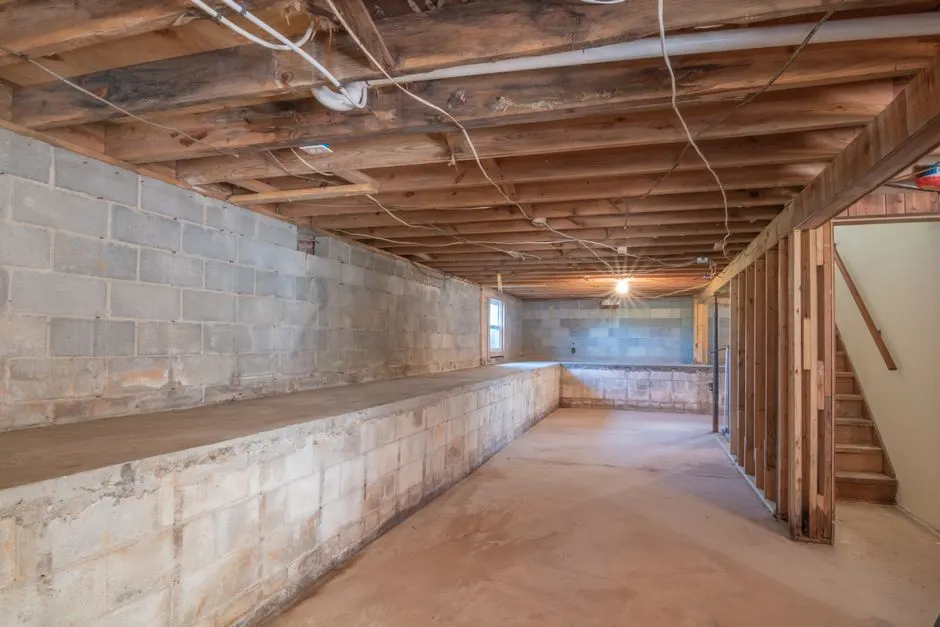
Empty basement with exposed wooden beams, concrete walls and stairs.
Licensed Licensed & Bonded
Fully Insured Insured & Bonded
24/7 Emergency Same-Day Response
Warranty Backed Workmanship Guaranteed in Boca Raton

What's Included in Water Removal

Our service covers assessment of visible water, extraction of accessible standing water, moisture checks in affected materials, and a practical drying setup when conditions allow. We explain what we find and document the work. Structural reconstruction, plumbing repairs, and specialized mold remediation are separate trades when the damage requires them; we identify those needs rather than treating water extraction as a repair.

Water Source Assessment

We ask how the water entered, inspect accessible areas, and distinguish a plumbing release from stormwater or a backup. Identifying the likely source helps us select safe handling procedures and avoid extracting newly arriving water without addressing the cause.

Standing Water Extraction

We pump or extract accessible water from basement floors and crawl spaces using equipment suited to the depth and access. The goal is to remove pooled water before it continues soaking flooring, insulation, and structural materials.

Affected Material Checks

We inspect accessible carpet, flooring edges, walls, framing, and subfloor areas for signs of retained moisture. A moisture meter helps track conditions beyond what is visible, so you understand which materials need continued drying or further assessment.

Drying Equipment Setup

When appropriate, we position air movers and dehumidification equipment to support drying after extraction. Placement depends on space, material, and airflow. We explain how the equipment works and what readings will guide the follow-up check.

Work and Progress Notes

We record the observed water conditions, affected locations, and the extraction and drying steps performed. These notes give you a useful record for coordinating repairs or discussing the loss with your insurer, without promising a coverage decision.

Basement and Crawl Space Water Removal Boca Raton FL


Basement and Crawl Space Water Removal Boca Raton FL is an emergency water mitigation service that removes standing water and starts controlled drying after flooding or a leak. We inspect the water source and affected materials, then use a submersible pump or truck-mounted water extraction unit for pooled water and a portable water extractor for remaining surface moisture. A moisture meter helps us check wood framing, subfloor sheathing, drywall, and insulation. Removing visible water is only the first step; trapped moisture must also be addressed to reduce secondary damage.

Boca Raton properties face sudden water entry from burst or leaking pipes, appliance leaks, storm flooding, and sewage backups. In a low crawl space, water can remain out of sight while damp soil and insulation hold moisture against structural wood. In a basement, wet carpet and padding or moisture trapped beneath flooring can spread beyond the visible puddle. If you are searching for how to remove water from a crawl space in Boca Raton, our crew can pump accessible water, assess the affected area, and begin a measured drying plan.

What Happens During Service

Basement and crawl space water removal in Boca Raton follows a clear sequence: protect people, identify the source, extract water, and monitor drying. We explain each step as we work, so you know what the equipment is doing and what remains before the space is ready for repairs or normal use.

01

Schedule

Call or book online — a real human picks up and confirms a 2-hour arrival window.

02

Diagnose

Licensed tech inspects on-site, then walks you through the cause and your options.

03

Fix

The job is completed to code and done right the first time — no shortcuts, no surprises.

04

Guarantee

Every job backed by a written workmanship warranty — and we stand behind it.

Tools and Drying Methods

Tools & Equipment

Submersible pump

Moves deeper pooled water from accessible low points before detail extraction begins. We choose placement based on water depth, safe power access, and the route needed to discharge water appropriately.

Truck-mounted water extraction unit

Provides high-capacity extraction for accessible areas with substantial water. We use it where the building layout and hose access allow, then switch to smaller tools for tight corners or low clearances.

Portable water extractor

Removes remaining surface water from carpet, hard flooring, and restricted spaces after bulk pumping. A portable unit is useful when a crawl-space entrance or basement layout limits larger equipment.

Moisture meter

Checks moisture in accessible building materials such as framing and subfloor areas. Readings help us compare conditions over time and decide whether drying equipment should remain in place.

Air mover and dehumidifier

Air movers direct airflow across wet surfaces, while a refrigerant dehumidifier removes moisture from the air. Equipment placement is adjusted to the room, access, and materials being dried.

Methods & Standards

Water-category assessment

We establish the likely source before choosing how to extract and handle water. A supply-line leak, stormwater intrusion, and sewage backup present different risks. That first distinction informs access, protective measures, equipment use, and whether specialized cleanup is needed.

Bulk extraction followed by detail removal

We remove deeper standing water first, then extract remaining surface moisture from accessible floors and materials. Separating these stages makes the work more efficient and helps avoid leaving thin water films or wet carpet pad behind after pumping.

Controlled structural drying

After extraction, we use air movement and dehumidification to support drying in affected materials. We place equipment to reach the wet area and monitor conditions with moisture readings. Drying is adjusted to the actual materials and results, rather than a fixed timer.

Containment and safe work practices

Where water conditions or debris warrant it, we use appropriate barriers and work practices to limit spread into unaffected areas. OSHA workplace safety training informs safe movement and equipment setup. Contaminated losses may require additional specialized procedures.

When to Call for Water Removal

01

A water heater or washing machine fails and sends water toward a basement storage area.

What we do: We identify the affected path, remove pooled water with a pump or extractor, and check floor edges and nearby wall materials. You tell us whether the appliance is still leaking; we plan extraction after the source is controlled and set drying equipment if materials remain wet.

→ You get standing water removed and a clear account of which materials need drying, monitoring, or repair before stored items go back.

02

Heavy rain or stormwater collects in a crawl space after a Boca Raton downpour.

What we do: We assess the access opening, water depth, and visible conditions before bringing in equipment. Our team pumps accessible water, checks framing and insulation, and places drying equipment where airflow can reach the damp area without blocking safe access.

→ The crawl space moves from pooled water to a measured drying plan, with problem areas identified for follow-up rather than left unseen.

03

A pipe bursts overnight and water is discovered in the basement before work begins.

What we do: We start with safe access and source control, then remove standing water and check nearby finishes. If your carpet, pad, or wall edges are saturated, we explain the drying needs and document visible conditions so repairs can be planned without delay.

→ You can move from an urgent water event to controlled extraction and a defined next step for the affected room.

04

A drain backup sends questionable water into a low utility room or crawl space.

What we do: We assess whether the water may be contaminated before selecting equipment and cleanup procedures. Our crew restricts access when needed, extracts affected water, and explains whether porous materials require specialized remediation beyond pumping and drying.

→ The response reflects the water category, helping reduce unsafe contact and preventing a contaminated loss from being handled like a clean leak.
How Water Removal Works in Boca Raton

Boca Raton's warm, humid climate can slow drying when wet materials are left without controlled airflow and moisture removal. Seasonal heavy rain and hurricane conditions can also push water into low openings, garages, and crawl spaces. Our team plans Boca Raton crawl space water removal around access height, water depth, and the materials exposed, rather than assuming every property has the same layout. Older homes may have restricted crawl-space entrances; newer properties can have finished lower-level rooms where water travels beneath flooring or into wall edges. For 24/7 basement water pumping Boca Raton Florida, tell us whether the source is still active and whether the water may involve a drain or sewage backup. We serve Palm Beach County and work with applicable Florida contractor licensing requirements for the relevant work. We also explain when a plumber, electrician, or specialized remediation contractor needs to handle a separate trade. Our goal is to extract water, check what remains wet, and give you a workable next step.

Neighborhoods We Serve

  • West Boca Raton

    Large residential areas and storm-driven rain can leave water in low utility spaces; we assess both the access route and the affected floor or framing.

  • East Boca Raton

    A mix of property ages and layouts means crawl-space access and finished lower-level materials can vary from home to home.

  • Boca Square

    When water appears near a utility area or under flooring, we trace the visible path and check adjacent materials instead of treating only the puddle.

  • Boca Pointe

    A plumbing leak or stormwater entry can affect storage and lower-level spaces; we plan extraction around the property's access and water source.

Local Conditions We Plan For

  • Warm, humid air slows drying in enclosed crawl spaces.

    A damp space can remain wet even after pooled water is gone. We use airflow and dehumidification where suitable, then check materials with a moisture meter to decide whether drying is progressing.

  • Heavy rain can push water through low openings and vents.

    Water may collect away from the entry point, leaving hidden wet insulation or framing. We look beyond the most visible pool and explain any continuing entry that needs separate correction.

  • Tight access limits equipment size and hose placement.

    A narrow hatch or low clearance changes how water can be removed and where drying equipment can operate. We select tools that fit the route and keep safe access available for follow-up checks.

Basement Pipe Leak Recovery

Before

A leaking supply line left several inches of water across a basement utility floor. Carpet pad was wet at the room edge, and water had reached the base of a storage wall. The homeowner could not tell whether the moisture ended at the visible puddle or had traveled beneath the flooring.

After

We stopped extraction once pooled water was removed, detailed the remaining surface water, and checked accessible floor edges and wall materials. Drying equipment ran for 48 hours before readings were reviewed. The homeowner received a documented account of affected areas and a clear handoff for flooring repairs.

Maintenance: Check the supply line and nearby shutoff periodically, especially after moving appliances. Keep stored boxes raised off the floor and inspect the utility-room edge after any leak so water is found before it spreads.

Before

After a heavy Boca Raton rain, standing water collected under a home near the crawl-space access. The area had damp insulation and limited clearance, making it difficult to see how far water had traveled. A musty odor persisted after the rain stopped.

After

Our crew pumped accessible water, inspected visible framing, and used a moisture meter to check reachable materials. Air movers and dehumidification supported drying over the next 72 hours, with a follow-up check to review readings. The homeowner learned which areas were dry and where further inspection was warranted.

Maintenance: Keep the crawl-space access clear and check it after prolonged rain. Address drainage or entry points with the appropriate contractor, and avoid storing items where they block inspection of the area.

Before

An appliance leak sent water from a utility area toward basement storage. Several boxes sat on the floor, and a thin film of water had reached a tile edge and adjoining drywall. The source was no longer actively leaking, but the extent of hidden moisture was uncertain.

After

We extracted the water, moved access away from the affected edge, and checked the drywall and nearby floor transition. The drying setup ran for 36 hours before readings were reviewed. Wet contents were separated from dry belongings, and the homeowner had a practical list of repair items.

Maintenance: Inspect appliance hoses and connections during routine home checks. Keep valuable documents and electronics elevated, and leave a small inspection gap around utility equipment so a leak is easier to spot.

Problems Solved by Crawl Space Water Removal

Water in a basement or crawl space can threaten materials that are difficult to inspect and slow to dry. We remove accessible water and investigate the immediate area so you can address the source and limit continuing exposure. The priority is to turn an uncertain wet space into a documented extraction and drying plan.

Problem

Standing water remains beneath the home after heavy Boca Raton rain.

Water can keep soil, insulation, and framing damp, while restricted access makes it easy to miss pockets that remain wet after the visible pool is gone.

Our Fix

We inspect the access route and visible conditions, pump accessible standing water, and check nearby framing and insulation for moisture. We place drying equipment where it can operate safely and explain which areas need follow-up. If water continues entering, we identify that concern so the source can be addressed.

Problem

A basement pipe leak soaks carpet and the flooring below it.

Wet carpet pad holds water against the floor, and moisture can travel under flooring or into wall edges even after the surface puddle is removed.

Our Fix

We extract surface water, assess the carpet and pad, and check accessible flooring edges and adjacent walls. If readings indicate moisture below the finish, we explain the next access or drying step. We also coordinate the mitigation sequence around stopping the active leak.

Problem

Sewage or drain water backs up into a low-level room.

Contaminated water can expose people and stored belongings to harmful material, making ordinary household cleanup unsafe and potentially spreading contamination.

Our Fix

We identify the likely water category, limit access as appropriate, and use handling procedures suited to contaminated water. Our team removes accessible water and explains which porous materials may need specialized cleaning or disposal. We do not treat a sewage backup as a routine clean-water leak.

Problem

A damp crawl space has a persistent odor after a small leak.

Hidden moisture in insulation or wood framing can linger after the leak stops and may contribute to secondary mold growth or material deterioration.

Our Fix

We look for the likely water path, check accessible framing and insulation, and use moisture readings to guide extraction and drying. If visible growth or extensive contamination is present, we explain the need for specialized remediation. The goal is to address the wet conditions, not mask the odor.

What Prompt Water Removal Delivers

What Prompt Water Removal Delivers

Getting water out quickly helps limit damage to finishes and structural materials, but the result depends on finding moisture beyond the obvious wet area. We document conditions, explain what needs attention, and match extraction and drying equipment to the space rather than running machines without a plan.

  • Less Material Saturation

    Standing water continues soaking carpet pad, drywall, and wood framing until it is extracted. We remove pooled water first, then check nearby surfaces so you can make decisions before swelling or deterioration spreads. For a basement flood cleanup near West Boca Raton, we also identify which contents can be moved and which materials need closer moisture checks.

  • Measured Drying Progress

    A moisture meter gives our team repeatable readings in accessible framing and subfloor areas. We record readings as drying proceeds instead of relying only on touch or appearance. That matters when a floor looks dry but moisture remains beneath it, where conditions can support secondary mold growth if the area stays damp.

  • Safer Water Handling

    Water from a clean supply line is not handled the same way as sewage or floodwater. We identify the likely source and affected materials before choosing extraction and cleanup methods. This distinction helps protect your household and prevents equipment or procedures intended for clean water from being used in a contaminated area.

  • A Clear Next Step

    After extraction, we explain whether the space needs continued drying, material removal, or follow-up moisture checks. You receive practical information about what is wet and where. That makes it easier to coordinate repairs and insurance documentation without confusing water removal with the separate work of rebuilding damaged finishes.

Training and Work Standards

Licensed & Certified

  • Water Damage Restoration Technician — issued by Institute of Inspection, Cleaning and Restoration Certification
  • Applied Structural Drying — issued by Institute of Inspection, Cleaning and Restoration Certification
  • Applied Microbial Remediation Technician — issued by Institute of Inspection, Cleaning and Restoration Certification
  • OSHA workplace safety training — issued by Occupational Safety and Health Administration training

Verified Reviews

Customer feedback Not stated

A homeowner in West Boca Raton described a basement pipe leak that soaked carpet and reached a storage area. The crew removed standing water, checked floor and wall edges, and explained what still needed drying. The review focused on clear communication and a useful handoff for the flooring repair.

Customer feedback Not stated

A Boca Square resident reported finding rainwater in a crawl space after a storm. The team pumped accessible water, checked the framing, and described the drying readings in plain language. The homeowner appreciated knowing which areas needed another check instead of being told only that equipment had been installed.

Customer feedback Not stated

A Downtown Boca Raton property manager shared that a plumbing leak affected a low storage area. The crew extracted water, documented affected materials, and returned to review drying progress before repairs began. The manager valued having practical service details to coordinate with the tenant and repair team.

Training for Difficult Water Losses

Our local experience covers the practical challenges of extracting water from confined crawl spaces and below-grade rooms: limited access, hidden wet materials, and water that keeps returning from an unresolved source. We use established restoration practices and explain what we can verify on site. Training such as IICRC Water Damage Restoration Technician (WRT) and IICRC Applied Structural Drying (ASD) supports sound decisions about extraction, drying, and monitoring. We also follow OSHA workplace safety training practices and applicable Florida contractor licensing requirements for work within our role.

  • We identify clean, gray, and potentially contaminated water before selecting extraction and cleanup procedures.
  • Our technicians use moisture readings to track affected framing and subfloor areas instead of judging dryness by appearance alone.
  • We plan equipment placement around crawl-space height, access openings, and safe movement through the work area.
  • We document visible damage and drying progress so you can share useful details with your insurer or repair contractor.
  • We recognize when sewage exposure or suspected microbial growth calls for specialized containment and remediation procedures.
Get Started Today
Training for Difficult Water Losses

Frequently Asked Questions

Real answers to the questions we hear most often from local homeowners and property managers.

How is water removed from a crawl space in Boca Raton?
We remove accessible crawl-space water with a pump or extractor, then check wet framing and nearby materials for retained moisture. The exact approach depends on depth, access, and whether the water is clean or contaminated. For emergency crawl space water removal near me Boca Raton FL, call +15618540267 and describe the water source, approximate depth, and access opening. Keep people away from standing water near electrical equipment until the area has been assessed.
Can crawl space water lead to mold or structural damage?
Yes; persistent moisture can support secondary mold growth and damage wood framing or subfloor materials within days. The risk depends on how long materials stay wet, temperature, airflow, and the water source. We extract pooled water, inspect accessible areas, and use moisture readings to track drying. If insulation or concealed framing remains wet, we explain whether further access or specialized remediation is needed.
How quickly should basement water be extracted?
Extract basement water as soon as the area is safe to enter, preferably within 24 hours of discovery. Prompt removal limits the time carpet pad, drywall, and wood remain saturated, though drying can take 24 to 72 hours or longer. For basement water extraction for a flooded Boca Raton property, we first check the water source and electrical safety, then pump and extract water before setting drying equipment.
Does crawl space water removal include drying and moisture checks?
Yes, our water-removal service includes an assessment of accessible moisture and a drying plan after standing water is extracted. We position air movers and dehumidification equipment where conditions allow, then use readings to track progress. The drying period often runs 24 to 72 hours for a limited area, but saturated insulation or hidden water can extend it. Repairs and specialized mold remediation are separate work when needed.

Related Water Damage Services

24/7 Emergency Water Extraction

If water enters your Boca Raton basement overnight, rapid extraction limits the time it sits against floors and framing. We assess the source, remove accessible water, and explain what drying equipment is needed. Call +15618540267 for urgent help with a lower-level water loss.

View 24/7 Emergency Water Extraction

Residential Water Extraction

Residential extraction addresses water in homes, including basements, crawl spaces, utility rooms, and living areas. We match equipment to the affected materials, remove water, and check nearby surfaces for retained moisture so you have a clear path toward drying and repairs.

View Residential Water Extraction

Commercial Water Extraction

A flooded service area or storage room can disrupt a Boca Raton business and damage equipment or inventory. We extract standing water, identify affected building materials, and plan drying around safe access and operational needs. The same measured approach applies to commercial crawl spaces and below-grade rooms.

View Commercial Water Extraction

Standing Water Removal

Standing water removal focuses on pumping pooled water before it spreads or continues saturating materials. We select a pump or extractor based on depth and access, then check the surrounding floor and walls. It is often the first stage of basement and crawl-space cleanup.

View Standing Water Removal

Flood Water Extraction

Floodwater can carry sediment and contaminants into lower-level spaces, especially after heavy rain. We assess the source and water category before choosing handling procedures, then remove accessible water and identify materials needing additional cleaning or replacement. Safe handling matters as much as speed.

View Flood Water Extraction

Storm and Hurricane Water Extraction

Wind-driven rain and storm runoff can enter through doors, vents, or foundation openings. We remove water from affected lower-level spaces, check for continuing entry, and set drying equipment where safe. If a storm affects several areas, we prioritize standing water and vulnerable materials first.

View Storm and Hurricane Water Extraction

Call for Basement and Crawl Space Water Removal Boca Raton FL

Water sitting below your home needs prompt attention. Our team removes accessible standing water, checks affected materials, and explains the drying steps for your property. Call Boca Raton Emergency Water Extraction at +15618540267 for direct help with a flooded basement or crawl space.

Call Now Call for Help

Contact Our Team

Call +1 561-854-0267 for emergency water extraction in Boca Raton, Florida. Our phone line is open 24/7 for urgent leaks, backups, and storm water, and we will ask what happened, where the water is, and whether it is still flowing. Share your neighborhood and any safety concerns so we can guide the next step.

Or call us right now at +15618540267 — we answer.

Boca Raton Emergency Water Extraction


  • Phone

    +15618540267
  • Address

    Boca Raton, Florida

  • Hours

    Mon–Fri: 7AM – 7PM
    Sat: 8AM – 4PM
    Sun: Emergency Only
    24/7 Emergency Available

Call +15618540267 Get Quote
Call Quote