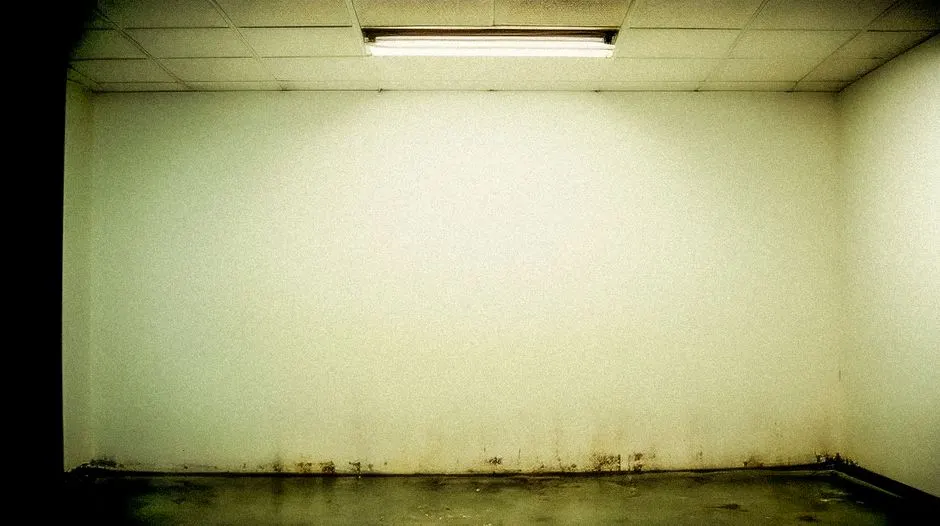
Moisture Mapping
We check stained and adjoining surfaces with a moisture meter, compare readings with unaffected areas, and identify likely water paths. This helps define the working area and gives you a baseline for follow-up checks during drying.
Wall and ceiling water removal in Boca Raton covers inspection, moisture mapping, extraction of accessible water, and a drying setup matched to the affected assembly. We explain whether opening or removing material is needed and check the surrounding floor and wall for migration. Reconstruction, roof repair, plumbing repair, and specialist remediation are separate work categories; we focus on mitigation and clear documentation of what we find.
We check stained and adjoining surfaces with a moisture meter, compare readings with unaffected areas, and identify likely water paths. This helps define the working area and gives you a baseline for follow-up checks during drying.
We remove accessible pooled water from ceilings or wall cavities using equipment suited to the volume and access. The goal is to remove bulk water before relying on air movement and dehumidification to dry remaining moisture.
Air movers and dehumidifiers are placed to support drying of exposed drywall, framing, and nearby surfaces. We explain equipment placement and check the area as it dries, adjusting the setup when readings show that conditions have changed.
We record affected locations, observations, and repeat moisture readings to show how the materials respond. Photos and notes help you follow the mitigation process and communicate the condition of the property to repair professionals or your insurer.
Wall and Ceiling Water Extraction Boca Raton FL is a structural water mitigation service that removes accumulated water from wall cavities and ceiling assemblies after a leak or flooding event. We inspect the affected area, identify the water source, and use moisture readings to map the wet materials before opening an access point or extracting water through an existing opening. The work may include wet drywall, insulation, wood framing, and connected flooring. Extraction comes first; controlled drying follows so moisture readings, not surface appearance alone, guide the next step.
Boca Raton properties face sudden ceiling and wall leaks from plumbing failures, appliance lines, roof penetrations, and storm-driven rain. Warm, humid conditions can slow evaporation, while water can travel along framing and appear far from the original leak. If you are asking, "why is water coming through my ceiling after a storm?", the answer often involves roof entry, saturated insulation, or water tracking above the visible stain. We inspect the route, protect unaffected areas, and explain what needs drying or removal.
Wall and ceiling water extraction in Boca Raton begins with stopping the active source and identifying the wet footprint. We protect the work area, explain each access point, and separate extraction from reconstruction so you know what is happening in your home. A small isolated leak can take several hours to extract and set up for drying; larger or multi-room events need staged work and daily checks.
Schedule
Call or book online — a real human picks up and confirms a 2-hour arrival window.
Diagnose
Licensed tech inspects on-site, then walks you through the cause and your options.
Fix
The job is completed to code and done right the first time — no shortcuts, no surprises.
Guarantee
Every job backed by a written workmanship warranty — and we stand behind it.
Moisture meter
We use a moisture meter to compare affected materials with dry reference areas and track readings at repeatable locations during the drying process.
Thermal imaging camera
A thermal imaging camera helps identify temperature patterns that may point to hidden moisture. We verify suspicious areas with moisture readings rather than treating an image as proof by itself.
Portable water extractor
A portable water extractor removes accessible water from small openings and confined work areas where a larger extraction unit cannot be positioned effectively.
Air mover and refrigerant dehumidifier
Air movers direct airflow across exposed materials, while a refrigerant dehumidifier removes moisture from room air. We place them based on the wet area and available ventilation.
Injectidry
Injectidry systems support targeted drying in suitable wall or floor cavities. We use cavity drying only when the assembly, access, and moisture findings support that approach.
Moisture mapping and comparison readings
We inspect the visible stain, surrounding ceiling, adjoining walls, and accessible floor, then take readings in affected and unaffected areas. The comparison helps define where drying is needed. We record repeat measurements at the same locations so you can see whether moisture is falling over time.
Controlled cavity access
When water is trapped behind a finish, we identify the smallest practical access that allows inspection and extraction. We protect nearby surfaces, explain the access point, and check insulation and framing. If materials are saturated or contaminated, we identify removal needs rather than forcing a dry-in-place approach.
Directed airflow and dehumidification
After bulk water is removed, we direct airflow across exposed surfaces and use dehumidification to manage moisture in the room. Equipment placement is adjusted to the area, material, and readings. Follow-up checks tell us whether the assembly is drying or needs a different setup.
Water-category and safety assessment
We consider the source before selecting handling procedures. A clean supply leak differs from sewage or other contaminated water, and porous materials may require different treatment. OSHA workplace safety training informs safe work practices, while any lead-sensitive disturbance is handled with EPA Lead-Safe requirements where applicable.
01
What we do: We confirm the leak has stopped, inspect the ceiling below and nearby walls, then map moisture beyond the visible stain. If water has pooled above drywall, we create appropriate access and extract it before setting drying equipment. You receive an explanation of which materials are wet and what needs follow-up.
→ Water is removed from accessible areas, and measured drying begins before the stain is covered or the ceiling is repaired.
02
What we do: We check the affected ceiling and wall for moisture migration, while the roof opening is addressed to stop continued entry. We remove accessible water, assess insulation and drywall, and use drying equipment after the source is controlled. If the ceiling is sagging, we keep the area clear and prioritize safety.
→ You get a documented picture of the affected assembly and a drying plan tied to the actual leak path.
03
What we do: We check both levels because the water path can cross a floor assembly and emerge away from the appliance. Our team maps wet drywall and nearby flooring, extracts accessible water, and coordinates drying access with the property occupant or manager.
→ The response covers the connected damage on both floors, rather than leaving the lower ceiling or upper wall unchecked.
04
What we do: We inspect above the tile and at adjacent walls, identify active or residual moisture, and determine whether water has reached insulation or framing. We remove accessible water and set drying equipment to limit disruption to nearby rooms. Findings and readings are documented for the maintenance team.
→ The manager gets a defined affected area, drying progress, and clear information for planning ceiling repairs.
Wall and ceiling water removal Boca Raton depends on both the leak path and the home's construction. In October, storm-related roof entry becomes a practical concern as seasonal rain picks up; year-round humidity also means wet materials need active drying rather than open windows alone. Many properties have finished ceilings, interior partitions, and flooring that conceal water travel, so we check adjoining rooms and the level below a leak. Our team uses moisture readings to decide where access is needed and whether insulation can remain in place. For professional ceiling leak cleanup Boca Raton FL, we first address active water entry, then extract and monitor the affected assembly. We serve Boca Raton in Palm Beach County, Florida, and coordinate mitigation with the appropriate repair trade when the roof or plumbing source needs correction. Building work and material disturbance must follow applicable Florida contractor licensing requirements and local permitting rules; we do not invent code approvals or license numbers. Your plan is based on the observed damage, not a one-size-fits-all equipment setup.
Boca Square
A leak above a finished ceiling can travel along framing before appearing at a room edge. We check adjoining walls and the floor below instead of limiting inspection to the stain.
East Boca Raton
Storm-driven rain can expose roof entry around ceiling penetrations. We focus on controlling continued water entry before extracting and drying interior materials.
Boca Raton Hills
A small ceiling mark may hide moisture in insulation or a wall cavity. We use readings to identify the extent and determine whether targeted access is needed.
Boca Pointe
Multi-level homes and shared walls can complicate leak paths. We inspect connected areas and document which surfaces show moisture before setting drying equipment.
Warm, humid air slows evaporation from enclosed wall and ceiling assemblies.
Leaving a damp cavity open to room air alone may not dry it efficiently. We use controlled airflow and dehumidification, then track readings so equipment stays in place only while the materials need it.
Seasonal storms can drive rain through roof openings and ceiling penetrations.
If water continues entering, extraction cannot protect the assembly from repeated wetting. We prioritize source control, assess the ceiling below the entry point, and coordinate the mitigation sequence with roof repair.
Finished surfaces conceal water that migrates between floors or rooms.
A stain does not always mark the full wet area. We check adjoining ceilings, wall edges, and flooring with moisture readings, then define access and drying around what the inspection shows.
A ceiling stain can be the smallest visible part of a larger moisture problem. Wall and ceiling extraction addresses water in the assembly, where it can affect insulation, framing, finishes, and adjoining rooms. We locate the wet area and respond to the source and material condition instead of masking the symptom.
Problem
A saturated panel can become heavy and unstable, putting people and furnishings below it at risk. Water may also spread into adjoining framing before the leak is visible elsewhere.
Our Fix
We treat a bulging ceiling as an urgent safety concern, keep people clear of the area, and assess the water source and visible condition. Once access is safe, we remove accessible water, identify saturated materials, and set a controlled drying plan. We do not ask you to puncture a sagging ceiling yourself.
Problem
Moisture may remain in insulation or framing behind the finish, allowing the stain to reappear and prolonging damage to paint, drywall, and nearby materials.
Our Fix
We map moisture beyond the stain and compare readings at several points on the wall. If a cavity remains wet, we identify the access needed for extraction and drying. Repeat readings help confirm whether the source has stopped and the material is progressing toward a dry condition.
Problem
Insulation can hold water against the ceiling and framing, while humidity slows evaporation. The ceiling may stay damp even after roof entry has been controlled.
Our Fix
We inspect the ceiling assembly after the roof leak is controlled, check the extent of wet insulation, and remove material that cannot be dried in place. We extract pooled water and position drying equipment to address exposed framing and adjacent surfaces, then document readings for the repair stage.
Problem
Water can travel along joists and appear far from the plumbing failure, damaging multiple ceiling sections or nearby walls before the leak becomes obvious.
Our Fix
We trace the wet footprint with inspection and moisture readings, then identify affected ceiling and wall areas. After the plumbing source is stopped, we extract accessible water and dry the assembly. If the source involved contaminated water, we adjust material handling and isolation to match the conditions.
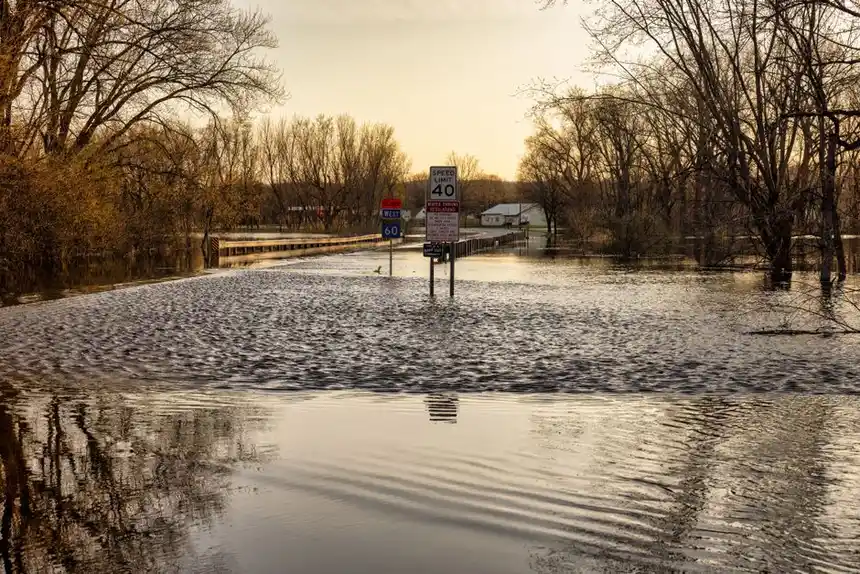
Removing water from concealed spaces limits damage beyond the first stain. We focus on the source, wet materials, and drying conditions so you can make informed repair decisions instead of covering a damp ceiling and hoping it dries. Each benefit depends on measured moisture and the condition of the assembly.
Less Hidden Moisture
Water inside a wall can remain after the painted face feels dry. We use a moisture meter and targeted access to locate damp drywall and framing, then extract standing or pooled water. Readings at multiple points help show whether the cavity is drying rather than relying on a single surface check.
Earlier Material Decisions
A small opening for inspection can help determine whether drywall and insulation are salvageable or need removal. We explain the observed condition before proceeding with drying or removal. This avoids treating every ceiling stain the same way and helps you understand what must happen before reconstruction.
Reduced Secondary Damage
Wet insulation and wood framing can keep surrounding materials damp. By extracting water and directing air movement through the affected area, we work to reduce the time moisture remains in the assembly. Our Boca Raton ceiling water extraction service includes follow-up moisture checks during the drying stage.
Clearer Repair Planning
A documented moisture map gives you a practical picture of affected rooms, material readings, and drying progress. We identify whether water has reached nearby flooring or contents and note the areas that need attention. That information makes the handoff to repairs and insurance documentation more straightforward.
Customer feedback Not stated
A ceiling leak in Boca Raton left more than a stain. The crew checked the adjoining wall, showed us the moisture readings, and explained why a small section needed access. They returned to check drying instead of guessing from the surface. We knew what was wet and what the repair team needed to address.
Customer feedback Not stated
After storm rain came through the ceiling, we were concerned about the light fixture and the wet insulation above it. The team kept us clear of the affected area, removed accessible water, and documented the drying checks. Their explanation was direct, and the next repair steps were easy to understand.
Customer feedback Not stated
A leak from the unit upstairs showed up on our ceiling and wall. The technicians checked both the visible stain and nearby areas, then set equipment where it would do useful work. They recorded readings during the drying process, which helped our property manager plan the ceiling repair.
Wall and ceiling water extraction requires more than vacuuming a stain. Our work follows recognized water-damage restoration practices: identify the source, assess the water category and affected materials, remove water, and monitor drying. Technicians apply IICRC Water Damage Restoration Technician (WRT) principles and use equipment matched to the assembly. We do not claim a founding year or a made-up job count. Instead, we explain readings, access choices, and drying targets as the work progresses, so you can see what the evidence supports in your Boca Raton property.
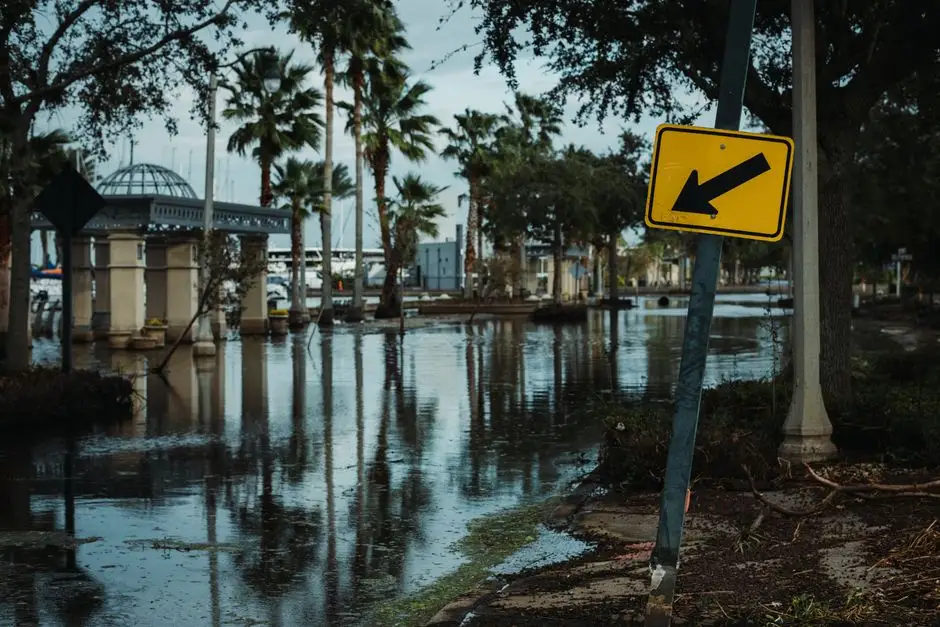
Real answers to the questions we hear most often from local homeowners and property managers.
An active ceiling leak needs immediate attention to stop water from spreading into walls and flooring. Our emergency response focuses on source control, accessible extraction, and a safe initial assessment so your property can move into a measured drying plan.
View 24/7 Emergency Water ExtractionHome leaks often affect more than the room with the visible stain. We check adjoining walls, closets, and floors for moisture, then extract and dry the affected areas while protecting household contents and keeping access routes clear.
View Residential Water ExtractionA ceiling leak in an office or retail space can disrupt staff, customers, and equipment. We identify affected rooms, address standing water, and plan drying around safe access and business operations, with readings documented for repair coordination.
View Commercial Water ExtractionWater that collects above a ceiling or at the floor needs removal before structural drying can work efficiently. We select pumps or extraction equipment for the amount and location, then check nearby materials for water migration.
View Standing Water RemovalWater beneath a building can contribute to damp framing and odors that reach living spaces. We remove accessible standing water and assess nearby structural materials, including wall and ceiling areas affected by the same leak or flooding event.
View Basement and Crawl Space Water RemovalFloodwater can enter wall cavities and ceiling assemblies while also soaking floors and contents. We assess the water source and affected materials, extract where practical, and establish containment and drying steps appropriate to the event.
View Flood Water ExtractionCall +1 561-854-0267 for emergency water extraction in Boca Raton, Florida. Our phone line is open 24/7 for urgent leaks, backups, and storm water, and we will ask what happened, where the water is, and whether it is still flowing. Share your neighborhood and any safety concerns so we can guide the next step.
Phone
+15618540267Address
Boca Raton, Florida
Hours
Mon–Fri: 7AM – 7PM
Sat: 8AM – 4PM
Sun: Emergency Only
24/7 Emergency Available