Logo
Get Estimate

Mold Prevention After Water Damage Boca Raton FL

Stop hidden moisture before it feeds secondary mold growth


Mold Prevention After Water Damage Boca Raton FL helps homeowners and property managers act after a pipe leak, appliance failure, or storm flooding. We extract water, check vulnerable materials, and dry affected areas before lingering moisture supports secondary mold growth. Our post-water-damage mold prevention Boca Raton service is built around your building's actual moisture readings, not guesswork, so you know what is wet and what needs attention.

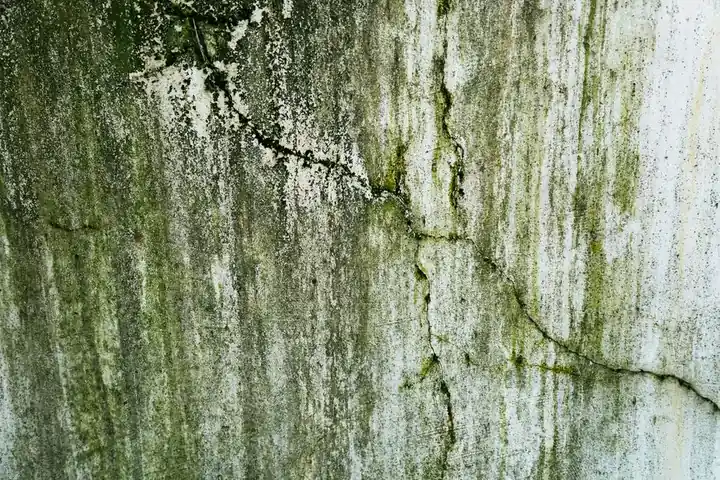
Close-up of a weathered wall with cracks and green algae, texture details.
Licensed Licensed & Bonded
Fully Insured Insured & Bonded
24/7 Emergency Same-Day Response
Warranty Backed Workmanship Guaranteed in Boca Raton

What Mold Prevention Service Includes

Our service covers water extraction, moisture inspection, and controlled drying of affected building materials. We document readings and explain what the equipment is doing. Repairs to the original plumbing fault, reconstruction, and specialized mold remediation are separate work when required; we identify those needs clearly so you know what comes next.

Water Source Assessment

We identify the apparent source and water category, then note whether the leak appears active. If a plumbing repair is needed, we explain that the source must be corrected before the affected area can stay dry. This helps prevent a completed drying setup from being undermined by continuing water.

Extraction And Moisture Mapping

We remove accessible standing water and inspect affected surfaces, room edges, and adjoining areas. Moisture readings establish which materials need active drying. Where water has migrated under flooring or into a wall cavity, we record that condition instead of treating only the visible stain.

Targeted Drying Setup

We position air movers and dehumidification equipment to address the materials and room conditions found during inspection. Equipment placement changes as readings improve. You receive practical guidance about access, noise, and the daily checks needed while the affected area dries.

Progress And Closeout Records

We track readings during active drying and review the results with you at closeout. The record can include affected areas, equipment placement, and moisture progress. If materials remain damaged or need repair, we explain the next step rather than calling the drying complete prematurely.

Mold Prevention After Water Damage Boca Raton FL


Mold Prevention After Water Damage Boca Raton FL is a water-damage mitigation service that removes standing water and dries affected building materials to limit conditions that support mold growth. Our work starts with the water source and affected area, then moves through extraction, moisture mapping, and controlled drying. We check materials such as drywall, wood framing, and flooring rather than relying on a dry surface feel. A moisture meter and thermal imaging camera help locate damp areas that are easy to miss, including wall cavities and moisture beneath flooring.

Boca Raton's warm, humid conditions make prompt action important after burst or leaking pipes, appliance leaks, sewage backups, and storm flooding. Water can travel below carpet padding or through tile and grout before a stain appears. Our Boca Raton mold prevention after flooding work targets the affected assembly and uses readings to guide drying. If you are searching how to prevent mold after water extraction Boca Raton Florida, the key steps are removing the source, extracting water, and confirming that materials reach appropriate dry targets.
What To Expect During Drying

Mold Prevention After Water Damage Boca Raton FL follows a practical sequence: stop ongoing water, remove what can be extracted, then dry and verify. We keep you informed about the affected materials and the next check, so you can plan around equipment and access needs.

01

Schedule

Call or book online — a real human picks up and confirms a 2-hour arrival window.

02

Diagnose

Licensed tech inspects on-site, then walks you through the cause and your options.

03

Fix

The job is completed to code and done right the first time — no shortcuts, no surprises.

04

Guarantee

Every job backed by a written workmanship warranty — and we stand behind it.

Tools And Drying Methods

Tools & Equipment

Moisture meter

We take repeat readings in flooring, drywall, and other affected materials to track moisture changes. The readings help us decide where equipment is needed and when drying is ready for review.

Thermal imaging camera

We use thermal patterns to flag areas that need closer inspection around walls, ceilings, and flooring. It helps guide testing; it does not replace direct moisture measurement.

Air mover and refrigerant dehumidifier

An air mover directs airflow across wet materials while a refrigerant dehumidifier removes water vapor from the room. We adjust placement as measured conditions change.

Portable water extractor

We use portable extraction equipment for water in rooms where access or the size of the loss calls for a contained setup. It removes water before structural drying begins.

Dri-Eaz drying equipment

Dri-Eaz equipment can support controlled airflow and dehumidification on water losses. Our technicians select equipment according to room conditions, materials, and measured drying needs.

Methods & Standards

Water-category assessment

We identify whether the water is clean, gray, or sewage-contaminated before choosing handling and drying steps. The category affects protective measures and whether porous materials can be retained. We communicate that decision early so your expectations match the conditions found in the building.

Moisture mapping and daily checks

We record initial moisture conditions, mark affected areas, and compare readings during active drying. Daily checks give us a basis for repositioning equipment or investigating a slow-drying section. This approach avoids treating equipment runtime as proof that materials are dry.

Controlled structural drying

We balance airflow and dehumidification around the affected assembly while considering room access and material response. Where containment is needed for work practices, polyethylene containment sheeting can separate the work area. We verify progress with readings and make changes when the measurements call for them.

Material-specific decisions

Carpet pad, hardwood, laminate, drywall, and insulation do not respond to water in the same way. We assess condition, contamination, and drying potential before recommending retention or removal. This limits unnecessary demolition while avoiding an attempt to dry material that should not remain.

When To Arrange Drying

01

A bathroom supply line breaks while you are away, leaving water across tile and into the hallway.

What we do: We locate the wet perimeter, extract standing water, and check nearby flooring and baseboards for migration. A moisture meter guides the drying setup, while air movers and dehumidification address materials that remain damp after extraction.

→ You get a defined affected-area map and measured drying progress, rather than relying on the hallway surface feeling dry.

02

A refrigerator or dishwasher leak reaches beneath kitchen cabinets and laminate flooring.

What we do: We remove accessible water, inspect the cabinet edges and flooring transitions, and test for moisture beneath or beside the visible wet area. We explain whether the flooring can be dried in place or needs access for effective drying.

→ Hidden dampness is identified early, and your repair decisions are based on the condition of the floor assembly.

03

Storm rain enters a Boca Raton home and wets carpet, padding, and lower drywall.

What we do: We extract water from the carpet, assess the pad and wall edges, and check adjacent rooms for water migration. If contamination is present, we adjust handling and identify materials that should not be treated as ordinary clean-water damage.

→ The affected materials receive a documented response, and you know which areas are drying and which need removal or further remediation.

04

A ceiling stain appears below a bathroom after a leak has already been repaired.

What we do: We inspect the ceiling, nearby wall surfaces, and accessible framing for residual moisture. After confirming the source is controlled, we dry suitable materials and track readings so finish repairs do not cover a still-wet cavity.

→ You can move toward ceiling repair with clearer evidence that the remaining moisture has been addressed.

How Drying Works In Boca Raton

Mold Prevention After Water Damage Boca Raton FL must account for humid outdoor air, heavy seasonal rain, and the way water travels through mixed flooring and wall assemblies. In October, storm-related water and plumbing failures still call for prompt extraction; warmer, wetter months bring additional rain and humidity concerns. We do not assume a room is dry because the air feels comfortable. We measure the affected materials and control indoor humidity while equipment runs. In older homes, hardwood flooring and wood framing may need a different drying approach than tile and grout or newer laminate. Our water damage moisture control Boca Raton FL work includes checking transitions, cabinets, lower walls, and adjoining rooms. If you need post-flood drying and mold prevention in Boca Raton, Florida, we start with the source and water category, then determine whether materials can be dried safely or need removal. For repair work beyond mitigation, Florida contractor licensing requirements apply where relevant. We serve properties throughout Palm Beach County and keep the drying plan tied to documented conditions, not a one-size-fits-all schedule.

Neighborhoods We Serve

  • Downtown Boca Raton

    Condos and mixed-use buildings can have water travel between floors or units. We check the affected room and accessible adjoining areas, then document the moisture pattern for the property contact.

  • Boca Raton Hills

    After heavy rain, ground-level rooms and storage areas can take on water. We inspect floor edges and lower wall sections where moisture may remain after visible water is removed.

  • Boca Pointe

    Homes with mixed tile, carpet, and wood finishes need material-specific checks. We map transitions so a leak in one room does not leave an untested damp area next door.

  • East Boca Raton

    Coastal weather and storm-driven rain can expose openings around doors and windows. We look beyond the entry point for water migration into flooring and lower wall assemblies.

Local Conditions We Plan For

  • Warm humid air slows evaporation from wet building materials

    High indoor humidity can reduce drying efficiency if moisture is not removed from the air. We use dehumidification and readings to track both the room setup and the affected materials, adjusting equipment when progress stalls.

  • Storm rain can enter through several openings at once

    A storm loss may wet multiple rooms and material types, so a single visible stain is not a reliable boundary. We inspect adjoining surfaces, classify the water, and prioritize extraction in the areas holding the most water.

  • Tile, hardwood, and carpet conceal moisture differently

    Water can remain beneath tile, cause hardwood floor cupping, or soak carpet padding without an obvious surface clue. We use material-specific checks and do not assume one drying method suits every floor.

Kitchen Supply-Line Leak

Before

A leaking line had left water across the kitchen tile and beneath the cabinet toe-kick. The owner had shut off the supply, but the floor edge remained damp and the adjoining hallway had not been checked. A quick wipe removed the surface water without showing how far moisture had moved.

After

We extracted accessible water, checked the cabinet edge and hallway, and set targeted airflow with dehumidification. Follow-up readings showed the affected areas moving toward dry conditions over four days. The owner received a record of the locations checked and the materials that still needed plumbing and finish repair.

Maintenance: Keep the repaired supply connection accessible and check the cabinet base for fresh dampness after use. If water returns, shut off the source and call promptly; repeat wetting can undo the drying work.

Before

Rain entered a Boca Raton room and soaked the carpet near an exterior wall. The carpet surface felt less wet the next morning, but the pad and lower drywall remained a concern. A musty odor began to develop near the room's edge.

After

We extracted water from the carpet, assessed the pad and wall edge, and inspected the adjacent area. Drying equipment ran with daily checks for five days. The readings helped distinguish the sections that were drying from materials that required separate repair decisions.

Maintenance: After storm cleanup, keep the exterior water entry repaired and avoid placing furniture against damp walls. Check the floor perimeter after heavy rain and report new odor or staining early.

Before

A dishwasher leak spread beneath the visible kitchen flooring and reached the toe-kick. The appliance had stopped leaking, but a dry-looking surface did not confirm the subfloor was dry. The homeowner needed to know whether drying could continue without opening the floor.

After

We mapped moisture along the cabinet and flooring transition, extracted accessible water, and placed drying equipment based on the readings. Checks over three days showed the measured area improving; we documented where readings remained elevated so repair decisions could be made with better information.

Maintenance: Inspect the appliance hose and connections during routine kitchen checks. If a leak returns, stop the appliance and water supply, then clear the area for inspection before moisture spreads farther under the floor.

How To Prevent Mold After Water Extraction Boca Raton Florida

The first visible puddle rarely shows the full extent of a water loss. We look for water held in porous materials, flooring assemblies, and wall cavities, then match extraction and drying to what the readings show.

Problem

Carpet looks dry while its pad and subfloor stay wet

Trapped moisture can persist below the surface, keep the floor assembly damp, and contribute to odor or secondary mold growth if drying stops too soon.

Our Fix

We extract the carpet and assess the pad and subfloor rather than relying on touch at the surface. Moisture readings help determine whether the assembly can dry in place or needs further access. We place drying equipment where it can address the affected layers and check progress before closing out.

Problem

A small pipe leak has soaked a wall cavity

Water can travel along framing and insulation, leaving damp material behind paint or baseboards even after the leak stops and the visible area dries.

Our Fix

We trace moisture around the leak, use measurement and thermal imaging to identify areas for closer testing, and document the affected section. We then dry accessible materials or explain when removal is needed. The plumbing source must be repaired so the wall does not continue to receive water.

Problem

Stormwater remains beneath tile and grout

Moisture below tile may not show as a puddle, but it can keep the substrate damp and affect nearby flooring or wall edges.

Our Fix

We inspect grout lines, transitions, and adjoining rooms, then measure the substrate where accessible. Extraction and drying are directed to the affected assembly. If floodwater contamination changes what can safely remain, we explain material handling before restoration proceeds.

Problem

A musty odor appears after a prior water loss

An odor can indicate lingering moisture or affected materials in a concealed area, but masking it does not correct the underlying condition.

Our Fix

We inspect the known water-loss area and surrounding surfaces, take moisture readings, and identify locations that need further evaluation. If materials are dry but odor remains, we explain whether cleaning or specialized remediation is a separate next step. We do not rely on fragrance or surface treatment as a substitute for moisture control.

Practical Results From Early Drying

Practical Results From Early Drying

Boca Raton mold prevention after flooding focuses on measurable moisture reduction, not masking odors or spraying a surface. We explain what we find, what we dry, and which materials need removal because they cannot be restored safely.

  • Find Hidden Wet Areas

    Water may move behind baseboards or beneath laminate flooring while the visible surface looks nearly dry. We map affected areas with a moisture meter and thermal imaging camera, then record readings to identify where drying equipment belongs. This reduces the chance of leaving a damp pocket that can contribute to secondary mold growth.

  • Dry Materials Deliberately

    Air movement alone does not remove water from a humid room. We pair air movers with a refrigerant dehumidifier and adjust placement as readings change. The goal is controlled drying of affected materials, with checks at least daily during active work rather than an arbitrary equipment run time.

  • Protect Floors And Walls

    Wet carpet and pad, hardwood flooring, and drywall respond differently to water. We assess each material before deciding whether to dry, lift, or remove it. For a small room, prompt extraction and a targeted drying setup can limit damage to adjoining areas and help you avoid unnecessary demolition.

  • Document The Drying

    You receive a clear record of affected rooms, moisture readings, equipment placement, and progress checks. Those details help you understand the work and support communication with your insurer. We also identify unresolved plumbing or drainage issues so the same source does not wet the building again.

Training And Work Standards

Licensed & Certified

  • Water Damage Restoration Technician — issued by Institute of Inspection, Cleaning and Restoration Certification
  • Applied Structural Drying — issued by Institute of Inspection, Cleaning and Restoration Certification
  • Applied Microbial Remediation Technician — issued by Institute of Inspection, Cleaning and Restoration Certification
  • OSHA workplace safety training — issued by Occupational Safety and Health Administration

Verified Reviews

Customer feedback Not stated

A Boca Pointe homeowner described a kitchen supply-line leak that reached beneath the cabinets. The crew checked the hallway, set drying equipment, and returned to record readings. The homeowner valued the explanation of why the tile looking dry was not enough to close out the work.

Customer feedback Not stated

An East Boca Raton resident reported stormwater on a ground-floor carpet. The team extracted water, checked the floor edges, and explained which materials were still drying. The customer said the updates made it easier to plan repairs after the equipment was removed.

Customer feedback Not stated

A property manager in Broken Sound described a slow appliance leak discovered near kitchen flooring. Moisture checks identified dampness at the cabinet toe-kick, and the crew documented progress before repairs began. The manager appreciated having specific information rather than a visual-only assessment.

Technical Judgment On Every Loss

Mold prevention depends on choosing the right response for the water category and the materials involved. Our local team uses water-damage restoration practices informed by IICRC Water Damage Restoration Technician (WRT) and IICRC Applied Structural Drying (ASD) principles. We do not claim a credential unless it applies to the technician performing your work. Our focus is a traceable process: assess, extract, measure, dry, and verify. We also consider OSHA workplace safety training and Florida contractor licensing requirements where applicable to related repair work.

  • We separate clean-water losses from gray water and sewage backups before selecting extraction methods and protective controls.
  • Moisture readings guide drying decisions; a surface that feels dry does not prove a wall cavity or subfloor is dry.
  • Air movers and dehumidifiers are repositioned as readings change, rather than left running without progress checks.
  • We identify water-damaged carpet and pad, swollen laminate flooring, and hardwood floor cupping before recommending next steps.
  • For contaminated losses, we use appropriate work practices and refer remediation needs to qualified personnel when the job requires them.
Get Started Today
Technical Judgment On Every Loss

Mold Prevention Questions, Answered

Real answers to the questions we hear most often from local homeowners and property managers.

Can water extraction prevent mold after a leak?
Water extraction reduces the water available to feed mold, but extraction alone does not guarantee that every material is dry. We check floors, wall edges, and concealed areas, then use air movers and dehumidification when readings show moisture remains. Same-day drying to help prevent mold after a leak in Boca Raton starts with removing water promptly and continues until affected materials reach suitable dry conditions. The leak itself must also be repaired.
How quickly can mold develop after water damage?
Mold growth can begin within 24 to 48 hours when moisture and suitable materials remain, though conditions vary by location and temperature. That is why we recommend prompt extraction and moisture checks after a leak or flood. If you are asking how soon can mold develop after a water leak, do not wait for visible spots or a musty odor; wet drywall, carpet pad, and wood framing can hold moisture out of sight.
Does professional drying reduce the risk of mold?
Yes. Professional drying reduces the risk by extracting water, controlling humidity, and checking whether materials are still damp; it cannot guarantee that mold will never occur. We use air movers and dehumidification, then track readings during the drying period. The equipment setup depends on the room and materials, while daily progress checks help us adjust airflow and identify concealed moisture before the work is closed out.
Should I arrange moisture testing after a Boca Raton flood?
Yes, arrange moisture testing when floodwater reached flooring, walls, cabinets, or insulation, even if surfaces look dry. Testing helps identify moisture beneath finishes and inside cavities that a visual check can miss. For post-flood moisture control near Boca Raton Hills, we inspect affected and adjoining areas, document readings, and explain whether drying, material removal, or further remediation is appropriate for the water category.

Related Water Damage Services

24/7 Emergency Water Extraction

Fast water removal is the first step in reducing the amount left inside floors and walls. We extract accessible water, check how far it traveled, and move directly into moisture mapping so your Boca Raton property can begin a measured drying plan.

View 24/7 Emergency Water Extraction

Residential Water Extraction

A home leak can soak carpet pad, cabinets, and drywall before the damage is obvious. We remove standing water, assess nearby rooms, and set drying equipment around your household's access needs while monitoring materials for lingering moisture.

View Residential Water Extraction

Commercial Water Extraction

Water in an office, retail space, or managed property can affect finishes and interrupt operations. We extract water, identify affected areas, and coordinate drying access so you can address the loss without leaving damp materials unexamined.

View Commercial Water Extraction

Standing Water Removal

Standing water keeps floors and lower wall sections exposed to moisture. We remove it with suitable extraction equipment, then check the underlying surfaces. Clearing visible water quickly gives the drying process a better starting point.

View Standing Water Removal

Basement and Crawl Space Water Removal

Water in a crawl space or below-grade area can remain trapped with limited airflow. We pump out standing water, inspect accessible framing and insulation, and plan drying around the space's ventilation and material conditions.

View Basement and Crawl Space Water Removal

Flood Water Extraction

Floodwater can bring debris and contamination as well as moisture. We assess the water category, remove standing water, and identify materials that need special handling. Drying decisions follow the condition of the affected building components.

View Flood Water Extraction

Arrange Mold Prevention After Water Damage Boca Raton FL

A wet floor or wall cavity needs attention before moisture spreads further. Our technicians use measured extraction and drying methods, with local service across Boca Raton. Call +15618540267 to discuss the water loss and arrange service.

Call Now Call For Service

Contact Our Team

Call +1 561-854-0267 for emergency water extraction in Boca Raton, Florida. Our phone line is open 24/7 for urgent leaks, backups, and storm water, and we will ask what happened, where the water is, and whether it is still flowing. Share your neighborhood and any safety concerns so we can guide the next step.

Or call us right now at +15618540267 — we answer.

Boca Raton Emergency Water Extraction


  • Phone

    +15618540267
  • Address

    Boca Raton, Florida

  • Hours

    Mon–Fri: 7AM – 7PM
    Sat: 8AM – 4PM
    Sun: Emergency Only
    24/7 Emergency Available

Call +15618540267 Get Quote
Call Quote