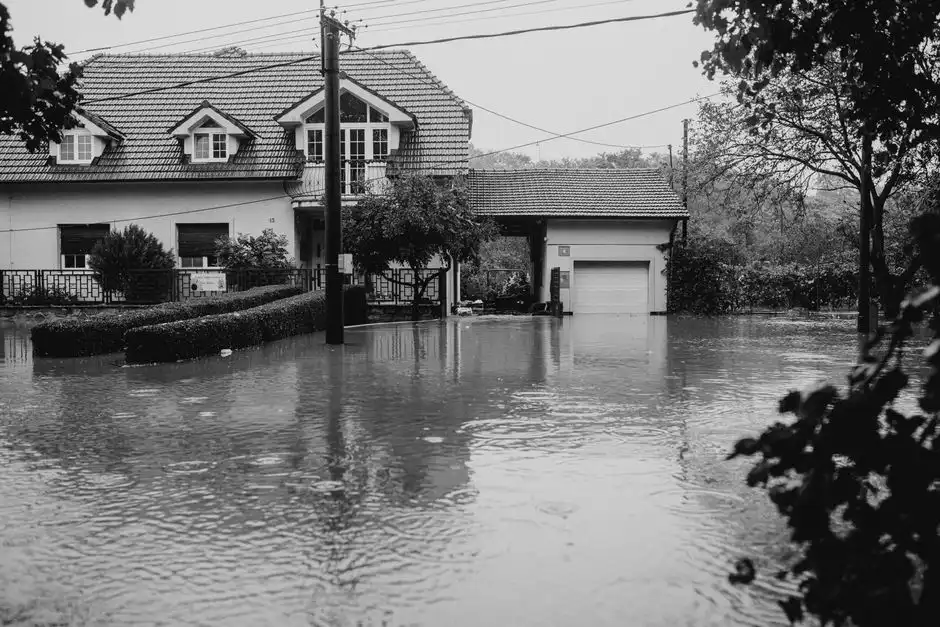
To remove standing water from a flooded basement safely, keep out until electricity and structural hazards are ruled out, then pump clean, shallow water gradually with a suitable pump and protective gear. If water is contaminated, rising, deeper than your equipment can handle, or near electrical systems, leave extraction to trained professionals. In Boca Raton, heavy rain, tropical downpours, and hurricane-season runoff can overwhelm drainage quickly. The steps below explain how to judge the danger, reduce risk, pump safely, and dry the space before moisture leads to further damage.
Safe basement floodwater removal is a controlled process, not simply a matter of turning on a pump. The water source, its depth, the power supply, and the condition of the walls and floor all affect what you should do next.
How to remove standing water from a flooded basement safely
Standing water removal in a flooded basement in Boca Raton starts with isolating hazards, identifying the water source, and choosing extraction equipment that will not put you in contact with electricity or contaminated water. You can handle a small amount of clean water only after the area is confirmed safe.
The primary keyword describes a practical safety procedure: how to remove standing water from a flooded basement safely is a controlled water-extraction process that reduces electrical, contamination, and structural risks while clearing water from the property. It is needed after a leak or flood has left pooled water below grade.
Before you begin, ask what caused the flood. A broken supply line can release relatively clean water, while a drain or sewer backup carries biological contaminants. Rainwater that has flowed over soil, pavement, or lawn can also contain oil, chemicals, and debris. Treat unknown water as contaminated until you know otherwise.
We handle Emergency Water Extraction Boca Raton FL with the first priority on people, not equipment. That means identifying the source and hazards before pumping starts.
Is it safe to enter a flooded basement?
A flooded basement is not safe to enter if water could be touching energized wiring, appliances, outlets, or a submerged electrical panel. Stay out and contact your utility provider or emergency services if you cannot confirm the power is off from a dry, safe location.
Water conducts electricity, and you cannot judge safety by whether a room light is on. A submerged outlet or extension cord can create a lethal shock hazard even when the visible water looks clear. Never step into water to reach a breaker or unplug equipment.
If the breaker panel is in the basement, do not approach it. If the main disconnect is outside the flooded area and accessible on dry ground, shut power off there only if you can do so without touching wet equipment. Otherwise, call the electric utility or a qualified electrician and wait for confirmation.
Other warning signs include a bowed wall, new cracks, a sagging ceiling, shifting stairs, or a strong sewage or fuel odor. Leave immediately if you see any of them. In neighborhoods near low-lying drainage routes, heavy rain can bring runoff into lower-level rooms before the street water recedes; a local Emergency Water Extraction in Downtown Boca Raton response should still begin with a safe entry assessment.
Use protective equipment only after the area is safe to enter: waterproof boots, heavy work gloves, eye protection, and clothing that covers exposed skin. An N95 respirator helps limit dust and mold exposure during cleanup, but it does not make sewage-contaminated water safe to handle.
A safe step-by-step water removal plan
A safe water-removal plan in Boca Raton follows a clear order: stop the source, document damage, check power, remove water gradually, and dry the structure. You can prevent a second emergency by resisting the urge to pump before checking each step.
- Stop the water source. If a fixture or pipe is leaking and the shutoff is accessible from a dry area, close it. For stormwater, wait until outside water levels have dropped and do not enter if water is still rising.
- Record the damage. Take photos from a safe doorway and note the approximate high-water mark. Photograph damaged belongings before moving them, if you can do so safely.
- Confirm electrical safety. Have the power isolated and the area checked before using pumps, shop vacuums, lights, or fans. Use battery-powered lighting from a dry location while waiting.
- Choose suitable extraction equipment. A wet/dry vacuum is for small, shallow amounts of clean water and must be used according to its instructions. A submersible pump is designed for larger volumes, but the pump and power connection must remain safe and appropriate for the conditions.
- Pump in stages. Remove water gradually rather than trying to empty a deep basement at once. If water levels outside are high, a sudden difference in pressure can stress basement walls or the slab.
- Remove wet materials and start drying. Move salvageable contents only after documenting them. Once the water is gone and power is safe, run suitable air movement and dehumidification, then check concealed areas for retained moisture.
Water depth changes the job quickly. A floor with 1 inch of water over 500 square feet contains about 312 gallons; at 6 inches, that same floor holds roughly 1,870 gallons. A household wet/dry vacuum is not a practical choice for that volume.
For basement water cleanup in Boca Raton FL, our team uses extraction equipment suited to the water depth and affected materials, then checks the surrounding area for moisture that remains behind. Basement and Crawl Space Water Removal Boca Raton FL is especially relevant where water has collected below a home or entered a crawl space that is difficult to reach with household equipment.
What to watch out for during basement cleanup
Basement flood cleanup in Boca Raton becomes more dangerous when homeowners pump too quickly, use indoor electrical equipment in wet areas, or treat questionable floodwater as clean. Avoiding these mistakes protects you and the building.
- Do not enter water to reach a breaker. Have a qualified person isolate power from a dry location.
- Do not use a household vacuum or ordinary extension cord in standing water. Follow equipment instructions and keep electrical connections dry and outside the affected area.
- Do not pump a deep basement rapidly. Groundwater pressure can push against the outside of foundation walls; a professional can determine a controlled extraction pace.
- Do not mix bleach with ammonia or other cleaners. Toxic gases can form. Never use cleaning products in an enclosed space without following the product label.
- Do not assume the surface is dry. Water can remain under flooring, behind baseboards, and inside wall cavities.
Humidity matters in South Florida. Indoor relative humidity above 60% encourages mold growth, and warm, damp materials can develop visible growth within 24 to 48 hours. Start drying promptly, but do not run fans that could spread contaminants from sewage or dirty floodwater through the house.
Take special care with finished basements, stored paper, and electronics. A few inches of water can soak drywall edges and insulation even if the room looks mostly intact. Keep children and pets away until contaminated materials are removed and the area is cleaned and dry.
When to call a professional for basement water removal
Professional basement water removal in Florida is the right choice when water is contaminated, deeper than a minor spill, still entering, or near electrical equipment, finished walls, or valuable contents. Call promptly if you cannot confirm the basement is safe to enter.
Call for help if the water came from a sewer, toilet, floor drain, or outdoor flood; if it contains a chemical or fuel odor; or if you see a damaged foundation, sagging materials, or electrical components under water. A professional extraction team can remove water with commercial pumps, manage contaminated materials, and use moisture meters to identify damp areas that are invisible at the surface.
We also recommend professional extraction when water covers a large area or reaches carpet, insulation, drywall, or flooring layers. A quick pump-out alone does not dry those materials. Our team can coordinate water removal and structural drying so moisture does not remain trapped beneath finished surfaces.
For homeowners searching for when to call a basement water removal company Boca Raton FL, the safest threshold is simple: call before entering if you have any doubt about power, contamination, structural damage, or how quickly water is rising. Boca Raton Emergency Water Extraction can assess the situation and explain the next steps without asking you to take risks to save equipment.
Frequently Asked Questions
Is it safe to remove basement floodwater yourself?
It is safe only when the water is shallow, known to be clean, and completely separated from electrical hazards. Wear waterproof boots and gloves, and use equipment according to its instructions. Do not handle sewage, storm runoff of unknown quality, or water near submerged appliances yourself; contamination and shock risks make professional extraction the safer choice.
Should power be turned off before entering a flooded basement?
Yes-power must be isolated before entry if water could reach electrical wiring or equipment. Do not step into water to reach a breaker. If the panel is in the basement or you cannot shut power off from dry ground, call the utility provider or an electrician and wait for confirmation that the area is safe.
How quickly should standing basement water be removed?
Begin safe extraction as soon as the source and electrical hazards are controlled, ideally within 24 hours. Damp building materials can support mold growth in 24 to 48 hours, especially in Boca Raton's warm, humid conditions. Do not rush into an unsafe basement; prompt professional removal is better than a fast, hazardous DIY attempt.
When does basement flooding require professional extraction?
Call a professional immediately for sewage, unknown floodwater, rising water, more than a minor spill, electrical exposure, or visible structural damage. Professional extraction is also advisable when water has reached carpet, drywall, insulation, or flooring layers, because hidden moisture can remain after the surface looks dry.
How can I reduce electrical risks in a flooded basement?
Stay out of the water, keep others away, and shut power off only from a dry location outside the flooded area. Never use a corded pump, fan, or vacuum until a qualified person confirms safe power conditions. If you cannot safely access the disconnect, contact the utility or an electrician rather than testing the room yourself.
Get help with Emergency Water Extraction in Boca Raton
If standing water has reached your basement, we can help you assess the hazards, remove water, and begin drying the affected space. Call Boca Raton Emergency Water Extraction at +15618540267 for help.