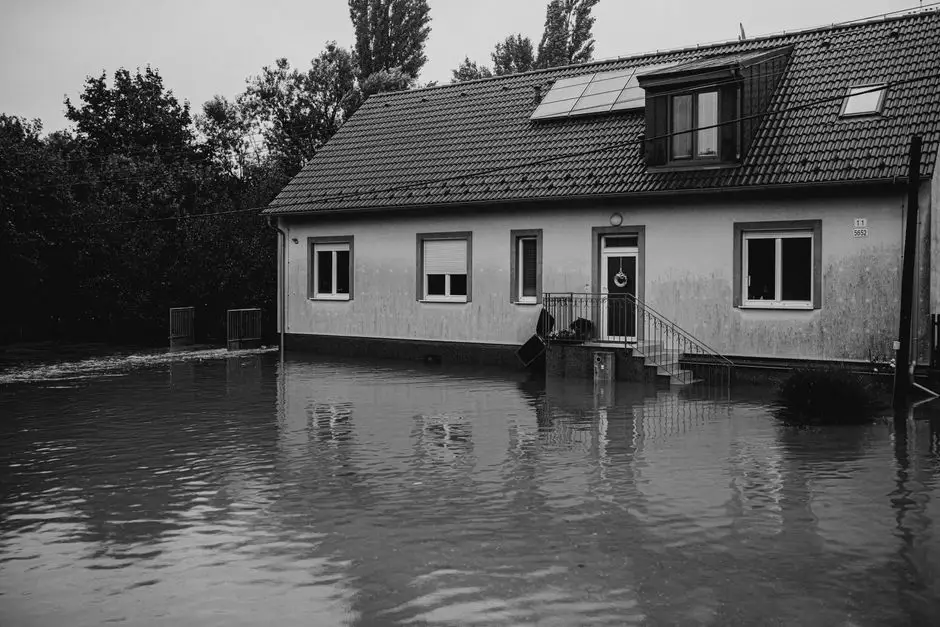
Hurricane season increases the need for flood water extraction in Boca Raton because repeated downpours, storm surge, saturated soil and overwhelmed drains can force water into homes faster than it can be removed by hand. Prompt extraction stops standing water from spreading into flooring, walls and electrical areas, then makes thorough drying possible. In October, the Atlantic season is still active, and a late tropical system can bring another round of intense rain even after a long wet summer. Hurricane season flood water extraction Boca Raton is the practical response when stormwater reaches your living space, garage or low-lying utility area. This guide explains the local flood mechanisms, what extraction involves, how to prepare and when to call our team.
Hurricane season flood water extraction Boca Raton is emergency water removal that clears storm-driven flooding from a property before moisture causes further structural damage or contamination problems. At Boca Raton Emergency Water Extraction, we assess the affected area, remove accessible standing water and set up the next drying steps. You can reach our Emergency Water Extraction Boca Raton FL team when a storm leaves water inside and you need a direct plan.
Why Boca Raton hurricane season raises flood cleanup demand
Hurricane season raises flood cleanup demand in Boca Raton because heavy rain, coastal water and drainage pressure can affect the same property in a short period. The Atlantic hurricane season runs from June 1 through November 30, so October homeowners still need a response plan rather than assuming the risk has passed.
A tropical system can produce hours of rain, followed by another band before the ground and drainage network have recovered. Even without a direct hurricane strike, a slow-moving storm can leave yards saturated and push water through a garage door, patio slider, foundation gap or roof opening. A few inches across several rooms quickly becomes too much for towels and a wet/dry vacuum.
Local exposure varies. Homes near canals or low-lying streets may face drainage backup; coastal properties can contend with storm surge and wind-driven rain; older buildings may have vulnerable seals or low thresholds. In multi-unit buildings, water may travel from a roof or upper-floor opening into shared corridors and lower units. We see why Emergency Water Extraction in Downtown Boca Raton can involve tight access, elevators and neighboring units as well as the flooded room itself.
Floodwater extraction is only the first part of recovery. Water held under laminate, carpet padding, baseboards or cabinets remains after the visible puddle disappears, which is why we check where moisture has moved and not just how the floor looks.
Why does hurricane season increase flood risk in Boca Raton?
Hurricane season increases flood risk in Boca Raton because intense rainfall can exceed the ground's absorption and the capacity of local drains, while coastal surge and wind-driven rain add other paths into buildings. When those forces combine, water can enter at ground level, through openings or from a backed-up drainage connection.
Rainfall intensity matters as much as the daily total. A burst of rain can overwhelm a yard drain or street inlet before water has time to disperse, and a clogged gutter can send roof runoff down exterior walls. If a storm coincides with high coastal water, gravity drainage may work less effectively in some locations. The result is not always dramatic street flooding: water can collect against a threshold or creep under a garage door unnoticed until it reaches stored belongings.
Wind also drives rain against windows, doors, soffits and roof edges. If wind damages a roof covering or opens a window, rain can soak insulation and ceiling cavities even when the ground floor stays dry. Once water enters, Florida's warmth and humidity slow natural drying. Indoor humidity above 60% makes damp materials harder to dry without airflow and dehumidification.
The hazard does not end when rain stops. A generator outage can disable a sump pump, a storm drain can remain backed up, and wet materials can continue releasing moisture for days. We treat the source and the water that has already entered as two connected problems.
How flood water extraction limits damage
Flood water extraction limits damage in Boca Raton by removing standing water early, reducing the amount that soaks into building materials and giving drying equipment a chance to work. The sooner water is removed after the property is safe to enter, the less time flooring, drywall and furnishings stay wet.
Our technicians first look for active electrical hazards, unstable ceilings and water sources that have not stopped. We then identify the wet areas, move or protect accessible contents and extract water using equipment suited to the depth and surface. A flooded tile floor needs a different approach from water trapped under carpet or between flooring layers.
Extraction does not mean the room is dry. We use moisture readings and visual checks to locate water in materials, then direct airflow and dehumidification at the affected sections. Drying can take several days, depending on how much water entered, the materials involved, outdoor humidity and whether the power supply remains stable. A wall that feels dry at the surface can still hold moisture behind its paint or baseboard.
For homes with stormwater in living areas, our Residential Water Extraction Boca Raton FL service focuses on removing water from floors and household spaces while addressing moisture that can remain in carpet, cabinets and lower wall sections. We also help identify whether water has crossed into adjacent rooms, so your cleanup plan does not stop at the edge of the visible puddle.
Water quality guides the safety steps. Rain that has mixed with soil, road runoff, sewage or flood debris should be treated as contaminated. We use appropriate protective measures and separate cleanup methods rather than treating all floodwater like a clean supply-line leak.
How to prepare for stormwater intrusion in Palm Beach County
Homeowners in Palm Beach County can reduce stormwater intrusion by clearing drainage paths, protecting openings and deciding in advance how to respond if water enters. A short preparation routine before a watch or warning saves time when streets are already wet and supplies are difficult to find.
Walk the property while conditions are dry. Check that downspouts discharge away from the foundation, clear leaves from gutters and confirm that yard drains are not covered by mulch or debris. If you live in a low-lying area, note where water tends to collect and keep a battery-powered light and charged phone accessible.
- Raise documents, small electronics and medications at least 12 inches above the floor in rooms prone to water.
- Keep extension cords, power strips and appliances off the floor, especially in garages and utility rooms.
- Photograph rooms and major belongings before a storm, then keep insurance and emergency contacts in a waterproof place.
- Know how to shut off electricity at the main panel only if the route is dry and safe; never enter standing water to reach it.
- Store a wet/dry vacuum, gloves, plastic bins and basic cleaning supplies where you can reach them without entering floodwater.
For a property with a history of flooding, make a simple room-by-room plan. Decide which belongings you can move quickly, which entrances water has used before and where you will wait for professional help. Do not rely on sandbags to protect an opening against deep or fast-moving water; they are a limited barrier, not a substitute for evacuation or extraction.
If a storm threatens, follow Palm Beach County and emergency-management instructions and leave when authorities direct you to evacuate. Extraction teams cannot safely work in a building with active electrical hazards or an unsafe structure. Once officials say the property is safe to enter, document conditions and begin arranging cleanup.
Common mistakes after hurricane flooding
Common mistakes after hurricane flooding in Boca Raton include entering contaminated water, powering equipment in a wet room and assuming a dry-looking floor means the structure is dry. These choices can put you at risk and allow hidden moisture to remain in the home.
Do not step into standing water if electrical outlets, appliances or wiring may be submerged. Keep children and pets away, and do not use a household vacuum or ordinary fan in a flooded area. If you smell gas, see sagging ceiling material or hear electrical buzzing, leave the space and contact the appropriate utility or emergency service.
Another mistake is cleaning floodwater as though it were rain from a clean glass. Stormwater may contain sewage, fuel, chemicals, animal waste and sharp debris, especially after it passes through streets or drains. Wear gloves and boots, avoid direct contact and do not save porous materials that have absorbed contaminated water unless a qualified cleanup professional confirms a safe recovery method.
Finally, avoid sealing up wet areas with new flooring, paint or closed doors before moisture checks. Trapped dampness can damage subfloors and create conditions for microbial growth. If you move furniture, lift it carefully and place foil or blocks beneath legs rather than dragging wet items across a floor.
When to call for flood water extraction after a storm
Call for flood water extraction after a storm as soon as you can enter safely and find standing water, wet carpet, water beneath flooring or moisture spreading into walls. A response within the first 24 hours gives you the best chance to limit how far water moves, though safety comes before speed.
Call immediately if water is still entering, covers more than a small isolated area, has reached electrical equipment or appears dirty, oily or sewage-contaminated. Tell us where the water came from, how deep it is, which rooms are affected and whether power has been shut off safely. Photos from a dry doorway can help record conditions without putting you in danger.
Our team can remove pooled water, check the affected materials and explain the next drying steps in plain language. We provide upfront pricing before work starts, so you can understand the immediate extraction plan. If stormwater has reached your home, Boca Raton Emergency Water Extraction can help you move from a flooded room toward a safer, drier property.
Do not wait for a musty smell or visible staining to call. Odors can appear after moisture has been hidden for a while, and the damage may extend beyond the spot you can see. If water entered a wall cavity, under a cabinet or beneath flooring, tell us even if the surface seems dry.
Frequently Asked Questions
Why does hurricane season increase flood risk in Boca Raton?
Hurricane season increases Boca Raton's flood risk because heavy rain, saturated soil, coastal surge and drainage backups can combine from June through November. A storm does not need to make a direct landfall to overwhelm a street drain or drive rain beneath a door. Local elevation, nearby canals and the condition of gutters and openings all affect how water reaches your property.
When should I call for flood water extraction after a storm?
Call as soon as it is safe to enter and you find standing water or damp materials, ideally within 24 hours. Call sooner if water is actively entering, covers electrical hazards or may contain sewage or road runoff. Do not enter water to inspect it; tell our team what you can see from a dry, safe location.
Can hurricane floodwater be contaminated?
Yes. Hurricane floodwater can contain sewage, fuel, chemicals, road debris and microorganisms, particularly after it passes through streets, canals or backed-up drains. Treat unknown floodwater as contaminated: keep people and pets away, avoid bare-skin contact and do not run ordinary household equipment in it. Our technicians assess water conditions and use appropriate protection and cleanup procedures.
How can I prepare my home for emergency water removal?
Clear gutters and drains, raise valuables at least 12 inches in flood-prone rooms, keep phones charged and store important records in waterproof packaging. Photograph your belongings before the storm and know where the electrical shutoff is, but never approach it through standing water. Follow evacuation notices; extraction begins only after the property is safe to enter.
Get help with Emergency Water Extraction in Boca Raton
If hurricane rain or storm surge has put water inside, call Boca Raton Emergency Water Extraction for help removing it and planning the drying work. Call +15618540267 to speak with our team.